
Authentic Mexican Coffee Recipe
Quick Answer
- Use a medium-coarse grind for this brew.
- Aim for a coffee-to-water ratio around 1:15.
- Fresh, filtered water is key.
- Don’t skip the cinnamon and piloncillo.
- A slow, steady pour is your friend.
- Taste and adjust – that’s the real secret.
Who This Is For
- Anyone craving a sweet, spiced coffee experience.
- Home brewers looking to spice up their routine.
- Folks who enjoy a dessert-like coffee beverage.
What to Check First
Brewer Type and Filter Type
Most methods work, but some shine. A simple pour-over or even a French press can handle the grind size. If you’re using a drip machine, make sure it’s clean. Paper filters are fine, but metal filters let more oils through, which can add body.
Water Quality and Temperature
Tap water can mess with flavor. Use filtered water if you can. For Mexican coffee, you’re not boiling, but you want it hot. Think around 195-205°F (90-96°C). Too hot, and you’ll scorch the grounds. Too cool, and you won’t get the best extraction.
Grind Size and Coffee Freshness
This isn’t espresso fine. Aim for a medium-coarse grind, like sea salt. Freshly ground beans are always best. Pre-ground stuff loses its punch fast. Look for a roast you like; medium to dark roasts often pair well with the spices.
For the best flavor, consider using high-quality Mexican coffee beans. Freshly ground beans are always best.
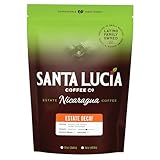
- REFINED ESTATE DECAF - Santa Lucia Coffee’s Estate Decaf Roast is naturally decaffeinated using a gentle process that preserves the bean's integrity. This smooth, full-bodied roast reveals layers of rich cocoa, toasted almond, and soft citrus. Crafted from shade-grown beans harvested on small, family-owned farms in Nicaragua’s high-altitude mountains, it delivers depth without the caffeine.
- LOW ACID, SMOOTH & GENTLE - Expertly roasted to reduce acidity while enhancing natural flavor, this decaf coffee is exceptionally smooth and easy on the stomach. Perfect for coffee lovers seeking a bold yet gentle cup, it provides everyday enjoyment without the sharpness or discomfort found in high-acid blends.
- VOLCANIC SOIL, HIGH-ALTITUDE GROWN - Our Strictly High Grown (SHG) beans mature slowly in mineral-rich volcanic soil, developing dense structure, refined acidity, and complex layers of flavor for a truly elevated coffee experience.
- SMALL-BATCH ROASTED TO PERFECTION - Expertly roasted to reduce acidity while enhancing natural flavor, this decaf coffee is exceptionally smooth and easy on the stomach. Perfect for coffee lovers seeking a bold yet gentle cup, it provides everyday enjoyment without the sharpness or discomfort found in high-acid blends.
- ETHICALLY SOURCED, WOMEN & LATIN OWNED TRADITION - Roasted by a family-run, Latin and women owned business with over 30 years of specialty coffee heritage. Santa Lucia supports sustainable practices that empower Nicaraguan farming communities.
Coffee-to-Water Ratio
A good starting point is around 1:15. That means for every gram of coffee, use 15 grams of water. For a standard 10-cup pot (about 50 oz of water), that’s roughly 3.3 oz (95g) of coffee. You can adjust this later based on your taste.
Cleanliness/Descale Status
Old coffee oils are the enemy of good flavor. Make sure your brewer, carafe, and any utensils are sparkling clean. If your machine has a descaling indicator, pay attention to it. A clean machine makes a world of difference.
Step-by-Step: How to Make Mexican Coffee
1. Gather your ingredients. You’ll need coffee beans, piloncillo (or dark brown sugar), cinnamon sticks, and water.
- What good looks like: Everything is prepped and ready to go. No scrambling mid-brew.
- Common mistake: Forgetting to measure your spices or sugar.
- Avoid it: Have everything measured out before you start heating water.
2. Prepare the piloncillo and cinnamon. Break or chop the piloncillo into smaller pieces. You can use a whole cinnamon stick or break it into a few pieces.
- What good looks like: The piloncillo is ready to dissolve easily.
- Common mistake: Trying to dissolve a whole, large chunk of piloncillo.
- Avoid it: Smaller pieces dissolve faster and more evenly.
3. Heat your water. Bring your filtered water to just off the boil, around 195-205°F (90-96°C).
- What good looks like: Water is hot but not aggressively bubbling.
- Common mistake: Boiling the water too vigorously.
- Avoid it: Use a thermometer or let boiling water sit for about 30 seconds.
4. Add spices and piloncillo to the brewing water. Place the cinnamon and piloncillo in your brewing vessel or a separate pot if you’re pre-infusing.
- What good looks like: The spices and sugar are submerged in the hot water.
- Common mistake: Adding them too late or not letting them steep.
- Avoid it: Add them to the water as it heats or immediately after reaching temperature.
5. Let the spices and piloncillo steep. Allow them to infuse in the hot water for a few minutes. This releases their flavor.
- What good looks like: The water has taken on a light brown hue and a sweet, cinnamon aroma.
- Common mistake: Rushing this step.
- Avoid it: Give it at least 3-5 minutes to let the flavors meld.
6. Grind your coffee. Grind your beans to a medium-coarse consistency, like coarse sand or sea salt.
- What good looks like: A fluffy mound of evenly sized grounds.
- Common mistake: Grinding too fine, which can lead to a muddy cup.
- Avoid it: Use a burr grinder for consistency and aim for that medium-coarse size.
To achieve the perfect medium-coarse consistency, a reliable coffee grinder is essential. This ensures an even extraction and avoids a muddy cup.

- 【Adjustable Grinding Precision】There are seconds marks above the timing knob, from coarse to fine. You can choose the precision of powder according to your needs.
- 【Removable Grinding Cup】The cup is removable and it can grinds 2.5oz coffee beans, up to 10 cups of coffee.
- 【Quiet Coffee Grinder】The average noise is 63 dB, which is quieter than other coffee grinders. Getting up early and grinding coffee beans without disturbing your families sleep in the morning.
- 【Multi-functional Coffee Grinder】This electric coffee grinder can also be used for grinding other dry ingredients, such as pepper, cumin, Fenugreek, parsley, cinnamon, star anise, peppermint, soya, quinoa, sorghum, rice and crystal sugar.
- 【What You Get】You will get a coffee grinder, a 2-blade cup, a 2-in-1 coffee spoon with brush, a user manual, the 2-year warranty and our friendly customer service.
7. Bloom the coffee. If using a pour-over, add your grounds to the filter. Pour just enough of the spiced water to saturate the grounds. Let it sit for about 30 seconds.
- What good looks like: The coffee grounds puff up and release CO2.
- Common mistake: Pouring too much water during the bloom.
- Avoid it: Use only enough water to wet all the grounds.
If you’re using a pour-over method, a quality pour over coffee maker can enhance your brewing control and the overall coffee experience.

- Pour Over Coffee: Manual Pour Over Coffee Maker allows you to brew an excellent cup of Coffee in minutes
- Stainless steel: Includes a new and improved permanent, stainless steel mesh filter that helps extract your coffee's aromatic oils and subtle flavors instead of being absorbed by a paper filter
- Coffee Carafe: Made of durable, heat-resistant borosilicate glass with Cork Band detailing that is both functional and elegant; single wall
- Quick and Easy: Simply add coarse ground Coffee to filter, pour a small amount of water in a circular motion over ground Coffee until soaked then add the remaining water and let drip
- Servings: Pour Over Coffee Maker makes 8 cups of Coffee, 4 oz each; dishwasher safe
8. Begin the main pour. Slowly and steadily pour the remaining spiced water over the grounds in a circular motion.
- What good looks like: A consistent flow of water, no flooding or dry spots.
- Common mistake: Pouring too fast or too erratically.
- Avoid it: Maintain a slow, even pour, keeping the water level consistent.
9. Complete the brew. Continue pouring until you’ve used all your water.
- What good looks like: All the water has passed through the coffee bed.
- Common mistake: Stopping the pour too early.
- Avoid it: Ensure you use the full amount of water for your desired ratio.
10. Serve immediately. Pour the coffee into mugs. You might want to strain out the cinnamon stick pieces if they’re large.
- What good looks like: A fragrant, rich cup of coffee.
- Common mistake: Letting it sit too long on a burner.
- Avoid it: Serve fresh for the best flavor.
Common Mistakes (and What Happens If You Ignore Them)
| Mistake | What It Causes | Fix |
|---|---|---|
| Using stale coffee beans | Flat, papery, or bitter taste | Use freshly roasted beans, grind just before brewing. |
| Incorrect grind size (too fine) | Over-extraction, bitter, muddy coffee | Use a coarser grind (medium-coarse for this recipe). |
| Incorrect grind size (too coarse) | Under-extraction, weak, sour coffee | Use a finer grind (but still medium-coarse). |
| Water temperature too high | Scorched coffee, harsh and bitter flavor | Let boiling water cool for 30-60 seconds before brewing. |
| Water temperature too low | Under-extraction, weak, sour coffee | Ensure water is between 195-205°F (90-96°C). |
| Using tap water | Off-flavors, mineral buildup in brewer | Use filtered or bottled water. |
| Not cleaning the brewer regularly | Rancid oils, stale coffee taste | Clean your brewer and carafe after every use. Descale as needed. |
| Inconsistent pouring (pour-over) | Uneven extraction, channeling, bitter/sour spots | Pour slowly and steadily in a circular motion. |
| Incorrect coffee-to-water ratio | Too strong or too weak coffee | Start with 1:15 and adjust to your preference. |
| Not blooming the coffee (pour-over) | Gassy coffee, uneven extraction | Let the grounds degas for 30 seconds after initial wetting. |
| Using pre-ground coffee | Loss of aromatics and flavor | Grind beans just before brewing for maximum freshness and flavor. |
| Not dissolving piloncillo completely | Gritty texture, uneven sweetness | Break piloncillo into small pieces and ensure it dissolves. |
Decision Rules for Mexican Coffee Perfection
- If your coffee tastes bitter, then try a coarser grind or slightly cooler water because over-extraction is likely.
- If your coffee tastes sour or weak, then try a finer grind or slightly hotter water because under-extraction is likely.
- If you detect a stale flavor, then check the freshness of your coffee beans and grind them just before brewing because stale beans are the usual culprit.
- If your pour-over is channeling (water finding fast paths), then pour more slowly and evenly because this indicates uneven saturation.
- If your piloncillo isn’t dissolving, then break it into smaller pieces or pre-dissolve it in a bit of hot water because larger chunks take too long.
- If you want a sweeter coffee, then increase the amount of piloncillo or add a touch more cinnamon because these are the primary flavor enhancers.
- If you want a less sweet coffee, then reduce the piloncillo and keep the cinnamon subtle because sweetness is the most adjustable element.
- If your coffee has an off-flavor, then ensure your brewer is clean and use filtered water because contaminants ruin the taste.
- If you’re using a drip machine and the coffee is weak, then check your coffee-to-water ratio and ensure the grounds are evenly distributed in the basket because these are common issues.
- If you want to experiment, then try adding a small pinch of chili powder for a subtle kick because this is a common variation.
- If the cinnamon flavor is too strong, then use fewer cinnamon sticks or just one piece next time because cinnamon intensity varies.
FAQ
What kind of coffee beans should I use for Mexican coffee?
Medium to dark roasts generally work well, offering a robust base that complements the spices. Arabica beans are a popular choice.
Can I use regular brown sugar instead of piloncillo?
Yes, you can substitute dark brown sugar for piloncillo. Piloncillo is unrefined cane sugar with a distinct molasses flavor, so dark brown sugar is the closest alternative.
How much piloncillo and cinnamon should I use?
Start with about 1-2 tablespoons of chopped piloncillo and one cinnamon stick per 8 cups of coffee. Adjust to your taste; some like it sweeter and spicier than others.
Is there a specific brewer best for this recipe?
A pour-over method is great for control, but a clean drip machine or even a French press can work. The key is the infused water and the spices.
Why is my coffee tasting bitter?
This could be due to water that’s too hot, a grind that’s too fine, or over-extraction. Try adjusting these variables.
My coffee tastes weak. What did I do wrong?
Your grind might be too coarse, your water temperature too low, or you might not be using enough coffee. Check your ratio and brew parameters.
Can I make this ahead of time?
It’s best served fresh. The flavors are most vibrant right after brewing. Letting it sit can make it bitter.
What if I don’t have a thermometer for water temperature?
Bring water to a boil, then let it sit for about 30-60 seconds off the heat. This usually gets it into the right temperature range.
What This Page Does Not Cover (and Where to Go Next)
- Advanced espresso-based Mexican coffee drinks (like café de olla lattes).
- Specific regional variations of Mexican coffee beyond the classic recipe.
- Detailed guides on different types of coffee grinders and their benefits.
- Deep dives into water chemistry for coffee brewing.
- Comparisons of various pour-over devices.