
Achieve Perfect Foam For Your Hot Coffee
Quick answer
- Use a frothing pitcher and a steam wand or a handheld frother.
- Start with cold, fresh milk for best results.
- Aerate the milk briefly to introduce air for foam.
- Submerge the wand/frother to heat the milk without adding more air.
- Aim for a whirlpool motion to integrate air and heat evenly.
- Stop when the pitcher feels warm to the touch, around 140-150°F.
- Tap and swirl the pitcher to break large bubbles and create a glossy texture.
Who this is for
- Home baristas who want to elevate their morning coffee experience.
- Anyone who enjoys lattes, cappuccinos, or macchiatos at home.
- Coffee lovers looking to master the art of milk frothing for hot coffee.
What to check first
- Milk Type and Freshness:
- For optimal foam, whole milk is generally recommended due to its fat content, which helps create stable bubbles. However, 2% milk can also work well. Non-dairy alternatives like oat milk are also popular choices for frothing.
- Always use cold, fresh milk. Warmer or older milk will not froth as effectively and may result in a less stable foam. Check the expiration date and ensure the milk smells fresh.
- Frothing Tool and Technique:
- Steam Wand (Espresso Machine): If you have an espresso machine with a steam wand, this is often considered the gold standard for frothing. The high-pressure steam creates microfoam, which is fine, velvety foam ideal for latte art.
- Handheld Electric Frother: These battery-operated whisks are a more affordable and accessible option. They work by rapidly spinning a whisk head to incorporate air and heat.
- Manual Frother (French Press style): Some manual frothers work by pumping a plunger up and down to create foam. These can be effective but may require more effort.
- Ensure your chosen tool is clean and in good working order. For steam wands, make sure the steam is ready and at the correct pressure.
If you have an espresso machine, its steam wand is often considered the gold standard for frothing. The high-pressure steam creates microfoam, which is fine, velvety foam ideal for latte art.

- Make Your Favorite Espresso Coffee At Home: The CASABREWS coffee machine with milk frother allows you to prepare all your favorite espresso-based coffees. You can enjoy a barista-brewed latte, cappuccino or macchiato at home. Stainless steel appearance, stylish and durable, ideal for any size kitchen. This compact espresso coffee maker is perfect for home or office use
- Professional 20 Bar Pressure System: Semi-Automatic 2-in-1 Espresso Maker, with 20 bar professional Italian pump and 1350 W powerful boiler. This latte machine gives you top quality extraction, resulting in a more fragrant and rich aroma. The built-in pressure gauge on this cappuccino machine shows the exact pressure helping you make adjustments according to your personal taste preferences. You can create a cappuccino, latte or flat white at your home or office with our cappuccino maker
- Milk Frothing System: Our espresso machine with milk frother has a powerful steam wand, so you can texture creamy, rich microfoam milk to create amazing milk foam art and enhance the flavor of your brews. Awaken your inner barista and create your own unique milk foam art. Don't pass us by if you are looking for an excellent espresso coffee maker
- Compact, Stylish & Practical: The beautiful and compact design makes this small espresso machine suitable for any size kitchen. Make single or double espresso shots with a beautiful layer of crema in minutes! The 34 oz water tank allows you to brew multiple cups, and it is detachable for easy refilling. Included components: Espresso Machine, 34 oz Removable Water Tank, One Cup Brewing Filter, Two Cup Brewing Filter, Portafilter, Tamper With Spoon, Instruction Manual
- Useful Tips: Please kindly note that do not brew coffee immediately after frothing milk. The machine must cool down first otherwise the temperature and the pressure inside the machine will be too high, and the machine will go into over-heating protection mode. The lights for 1 cup or 2 cup will flash repeatedly and please follow the steps of included guide to cool down the machine. You can watch more INSTRUCTIONAL VIDEO by clicking Visit the CASABREWS Store
For a more accessible option, a handheld electric frother is a great choice. These battery-operated devices work by rapidly spinning a whisk head to incorporate air and heat.
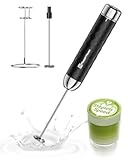
- 【Stepless Speed Control Design】Unlike traditional button-operated milk frother, this LunaFro 2.0 electric milk frother allows you to seamlessly adjust the frothing speed with unparalleled precision, ranging from 4500RPM to 10000RPM, simply by toggling the rotary switch. Experience the ultimate control as you craft the perfect froth for different beverages. Say goodbye to splashes and lackluster froth
- 【One Charging, 1440 Hours Ready】With a built-in 1200mAh lithium battery, this portable USB-C rechargeable milk frother provides up to 2 months of usage on a single charge(note: if use once per day). Fully charge the battery operated milk foam maker in just 2 hours with the included USB-C cable, eliminating the need for constant battery replacement
- 【Create Rich Creamy Foam in Seconds】Transform your morning coffee routine with our high-speed milk frother. Achieve smooth, creamy foam in just 10-15 seconds, perfect for busy mornings. Elevate your coffee experience with velvety milk foam every time
- 【Versatile for Various Beverages】 Beyond coffee, our LunaFro 2.0 milk frother excels at blending powdered supplements like protein into beverages and preparing mixed drinks. Its versatility makes it an essential tool for all your beverage-making needs, including Latte, Cappuccino, Matcha and cocoa powder
- 【Easy Cleaning and Storage】This Stepless Speed Control milk frother comes with two frothing whisks for easy replacement. Cleaning is straightforward—simply detach the whisk and wash it in water. The included compact stainless steel stand provides convenient storage and organization
- Coffee Base Preparation:
- The quality of your hot coffee base will significantly impact the final drink. Whether you’re using espresso from an espresso machine, strong coffee from a Moka pot, or a very concentrated drip coffee, ensure it’s brewed fresh and to your liking.
- The temperature of your coffee base is also important. It should be hot enough to complement the frothed milk but not so scalding that it burns the milk or your mouth.
- Cleanliness of Equipment:
- Any residue from previous milk frothing can affect the taste and texture of your foam, and can also harbor bacteria.
- Thoroughly clean your frothing pitcher, steam wand, or handheld frother immediately after each use. For steam wands, purging the wand after frothing helps clear out any milk residue inside.
Step-by-step (how to make hot coffee with foam)
1. Prepare Your Coffee Base: Brew your espresso or strong coffee.
- What “good” looks like: A rich, aromatic coffee base ready to be combined with frothed milk.
- Common mistake: Using old or weak coffee. Avoid it by: Brewing fresh coffee just before you plan to froth your milk.
2. Pour Cold Milk into Pitcher: Fill a clean frothing pitcher with cold milk, typically no more than halfway full.
- What “good” looks like: The pitcher is neither too full (risk of overflow) nor too empty (insufficient volume for frothing).
- Common mistake: Overfilling the pitcher. Avoid it by: Using a pitcher that’s appropriately sized for the amount of milk you need and filling it to about one-third or half full.
Pour cold milk into a clean frothing pitcher, filling it no more than halfway. Using the right size pitcher prevents overflow and ensures you have enough volume for effective frothing.

- Perfect Combination Of Milk Frothing Pitcher And Latte Art Pen: The milk frother jug can be used in different ways: froth or steam milk for lattes; measure liquids; serve milk or cream. Featured with a latte art pen which can shape kinds of beautiful coffee pattern. Perfect for making frothing or steaming milk for espresso, cappuccino or hot chocolate. Be your own barista in home and office.
- Premium Quality: The milk steaming pitchers and coffee art pen are made of chrome finished #304 stainless steel. Rust-proof, stain-proof, heat-proof and nontoxic, unbreakable by daily use.
- Point-Mouth Design: Can prevent liquid leaking from the jug and make the coffee pattern pretty. Offer 12oz/20oz/32oz/50oz milk jugs to satisfied different customers demands, buy one at home or office for you and a couple of friends.
- Humanized Design: The weld joint of the cup body and the handle is firm, sturdy to use. Personalized design for easy carrying and saving energy.
- Easy To Clean & Dishwasher Safe:The stainless steel milk frothing pitcher smooth surface ensures easy cleaning, it's also dishwasher-safe, saving you time and effort. So you have more time to enjoy life and spend with your family. Thoughtful gifts for coffee lovers for for every occasion: Christmas, birthdays, housewarmings, Thanksgiving, and New Year's.
3. Position the Steam Wand (if applicable): Submerge the tip of the steam wand just below the surface of the milk, near the side of the pitcher.
- What “good” looks like: The wand tip is at the right depth to introduce air without creating excessive splashing.
- Common mistake: Submerging the wand too deep. Avoid it by: Keeping the tip very close to the milk’s surface, just breaking it.
4. Introduce Air (Aerate): Turn on the steam wand (or activate your handheld frother). You should hear a gentle “kissing” or “ripping” sound as air is incorporated. Do this for only a few seconds.
- What “good” looks like: The milk volume increases slightly, and you see small bubbles forming on the surface.
- Common mistake: Aerating for too long. Avoid it by: Listening for the sound and stopping as soon as the milk volume increases noticeably, typically 3-5 seconds for a single serving.
5. Submerge and Heat: Lower the steam wand deeper into the milk, angling it slightly to create a vortex or whirlpool motion.
- What “good” looks like: The milk is swirling, and the sound of air being introduced stops. The goal now is to heat the milk evenly.
- Common mistake: Keeping the wand too shallow, continuing to aerate. Avoid it by: Submerging the wand so the “kissing” sound stops and a smooth vortex forms.
6. Monitor Temperature: Continue heating until the pitcher feels warm to the touch. For most home brewers, this is around 140-150°F.
- What “good” looks like: The pitcher is hot but comfortable to hold for a few seconds. The milk should not be scalding.
- Common mistake: Overheating the milk. Avoid it by: Using your hand to gauge temperature. If it becomes too hot to comfortably hold for more than a second or two, it’s likely done.
7. Stop Steaming/Frothing: Turn off the steam wand (or frother) before removing it from the milk.
- What “good” looks like: The wand is cleanly removed from the milk.
- Common mistake: Removing the wand while still steaming. Avoid it by: Turning off the steam first, then removing the wand.
8. Clean the Steam Wand (if applicable): Immediately wipe the steam wand with a damp cloth and purge it by briefly turning on the steam.
- What “good” looks like: The wand is clean and free of milk residue.
- Common mistake: Not cleaning the wand immediately. Avoid it by: Making cleaning a part of your post-frothing routine.
9. Knock and Swirl: Gently tap the bottom of the pitcher on the counter to break any large bubbles. Then, swirl the milk in the pitcher to integrate the foam and create a glossy, paint-like texture.
- What “good” looks like: The foam is smooth, shiny, and integrated with the milk, without large, distracting bubbles.
- Common mistake: Skipping this step. Avoid it by: Understanding that this is crucial for achieving a desirable texture.
10. Pour the Milk: Pour the frothed milk into your prepared coffee base. For lattes, pour steadily to mix milk and foam. For cappuccinos, hold back the foam initially with a spoon, then pour the milk, and finish with a layer of foam.
- What “good” looks like: A beautifully layered or integrated coffee drink with a nice foam cap.
- Common mistake: Pouring too quickly or without control. Avoid it by: Practicing your pour and understanding the different pouring techniques for various drinks.
Common mistakes (and what happens if you ignore them)
| Mistake | What it causes | Fix |
|---|---|---|
| Using warm or old milk | Poor foam quality, flat foam, unpleasant taste | Always use cold, fresh milk. |
| Overheating the milk | Scalded milk taste, destroys natural sweetness, ruins foam structure | Monitor temperature with your hand; aim for 140-150°F. |
| Aerating for too long | Large, bubbly foam that dissipates quickly; less creamy texture | Aerate only for the first few seconds until the milk volume increases slightly. |
| Not submerging the wand/frother enough | Excessive splashing, large bubbles, inefficient heating | Ensure the tip is just below the surface during aeration, then submerge deeper for heating. |
| Not cleaning the frothing equipment | Residual milk can turn rancid, affect taste, and harbor bacteria | Clean all frothing tools immediately after each use. |
| Using too much milk in the pitcher | Milk will overflow during frothing, creating a mess and poor foam quality | Fill the pitcher no more than one-third to half full. |
| Not swirling/tapping the pitcher | Large, unsightly bubbles on top of the foam, less appealing texture | Tap the pitcher on the counter to break bubbles, then swirl to create a glossy, uniform texture. |
| Using the wrong milk type | Some milk alternatives don’t froth well; skim milk can produce weak foam | Experiment with whole milk or specific non-dairy milks designed for frothing. |
| Pouring too aggressively or too soon | Foam and milk separate poorly; latte art is difficult to achieve | Pour steadily and with control, using a spoon to hold back foam for cappuccinos if desired. |
| Insufficient coffee base | The coffee flavor gets lost, and the drink is too milky/foamy | Ensure you have a strong, concentrated coffee base to balance the milk and foam. |
Decision rules (simple if/then)
- If your milk is not frothing well, then check the milk’s freshness and fat content because older or low-fat milk froths less effectively.
- If you hear loud, sputtering noises from the steam wand, then lower the wand slightly because you are likely introducing too much air too aggressively.
- If your foam has large, visible bubbles, then tap the pitcher on the counter and swirl the milk because this integrates the foam and breaks down larger bubbles.
- If the milk feels too hot to hold comfortably, then you have likely overheated it, which can damage the milk’s flavor and foam structure.
- If you are aiming for latte art, then use whole milk or a specialized barista non-dairy milk because higher fat content and specific formulations create better microfoam.
- If your steam wand isn’t producing enough pressure, then check the machine’s water level and ensure the wand is not clogged because these are common causes of low steam output.
- If your handheld frother is struggling to create foam, then ensure the batteries are fresh and the whisk head is clean because insufficient power or residue can hinder performance.
- If you want a thicker layer of foam for a cappuccino, then aerate for a few seconds longer than you would for a latte, but be careful not to overheat.
- If your coffee tastes bitter after adding frothed milk, then your coffee base might be too strong or too hot, or the milk might be scalded.
- If your foam dissipates almost immediately, then it’s likely due to overheating, insufficient aeration, or using milk that isn’t fresh.
- If you are new to frothing, then start with smaller amounts of milk to practice the technique before committing to a full pitcher.
- If you want to achieve a silky texture, then focus on the swirling and tapping step after frothing, as this refines the foam’s consistency.
FAQ
What is the best milk for frothing?
Whole milk is generally considered the best for frothing due to its fat content, which creates a stable, creamy foam. However, 2% milk can also work well, and many non-dairy milks like oat milk are formulated specifically for barista use and froth beautifully.
How do I get microfoam for latte art?
Microfoam, which is very fine, velvety foam, is achieved by using a steam wand on an espresso machine. The key is to introduce just enough air initially to slightly increase the milk’s volume, then submerge the wand to create a vortex that heats and integrates the air into a smooth texture.
Can I froth milk without an espresso machine?
Yes, you can froth milk using a handheld electric frother, a French press-style manual frother, or even by vigorously shaking hot milk in a sealed jar. While these methods may not produce the same microfoam as a steam wand, they can create a satisfactory foam for many drinks.
Why is my frothed milk bubbly and flat?
This usually happens if you aerate for too long, overheat the milk, or use milk that isn’t fresh. Overheating breaks down the milk proteins that stabilize foam, while too much air creates large, unstable bubbles.
How hot should frothed milk be?
The ideal temperature for frothed milk is typically between 140°F and 150°F. You can gauge this by touch; the pitcher should be hot but still comfortable to hold for a few seconds. Milk heated above 160°F can scald and develop an unpleasant taste.
How do I clean my frothing pitcher and steam wand?
Always rinse and wipe down your frothing pitcher and steam wand immediately after use. For steam wands, purge them by briefly turning on the steam to clear any internal milk residue. Regular deep cleaning with a milk frother cleaner can also be beneficial.
What if my non-dairy milk doesn’t froth?
Not all non-dairy milks froth equally well. Look for “barista edition” or “for coffee” versions of oat, soy, or almond milk, as these are formulated with stabilizers and often higher fat content to improve frothing. Ensure the milk is cold and fresh.
Can I reheat frothed milk?
It’s generally not recommended to reheat frothed milk. Once heated and frothed, the milk’s protein structure changes, and reheating can lead to a flat, watery texture and an unpleasant taste. It’s best to froth fresh milk for each drink.
What this page does NOT cover (and where to go next)
- Detailed instructions on latte art pouring techniques.
- Next: Explore resources focused on latte art basics and advanced designs.
- Specific recommendations for espresso machine models with steam wands.
- Next: Research espresso machine reviews and guides.
- Troubleshooting for specific types of coffee makers (e.g., drip, pour-over) beyond their role as a base for frothed milk.
- Next: Consult guides dedicated to your specific coffee brewing method.
- The science behind milk proteins and fat content in relation to foam stability.
- Next: Look for articles or books on coffee science and milk chemistry.
- Comparisons of different non-dairy milk brands for frothing performance.
- Next: Seek out taste tests and reviews of barista-edition non-dairy milks.