
Achieve Frothy Coffee At Home Easily
Quick Answer
- Use a dedicated frother (wand or automatic) for best results.
- Heat your milk to the right temperature, not too hot.
- Start with cold milk for better frothing.
- Don’t overfill your frothing pitcher.
- Consider whole milk for the creamiest foam.
- Practice makes perfect; don’t get discouraged.
Who This Is For
- Anyone who loves lattes, cappuccinos, or macchiatos at home.
- Coffee drinkers looking to elevate their morning routine beyond a basic cup.
- People who want to save money by making their favorite coffee shop drinks themselves.
What to Check First
- Brewer Type and Filter Type: While not directly related to frothing, a good base coffee is key. Make sure your coffee maker is clean and using the right filter for your brew method. A weak or bitter coffee won’t be saved by great foam.
- Water Quality and Temperature: Use filtered water for the cleanest taste. For the coffee itself, aim for water between 195-205°F. Too cool and it’s weak, too hot and it can scorch the grounds.
- Grind Size and Coffee Freshness: Freshly roasted and ground coffee makes a huge difference. Grind size depends on your brewer, but for espresso-based drinks, a fine, consistent grind is crucial. Stale coffee tastes flat, no matter how good your foam is.
- Coffee-to-Water Ratio: This is about your coffee base. A good starting point for espresso is often 1:2 (e.g., 18g coffee to 36g espresso). For drip, it’s usually around 1:15 to 1:17. Get this right before you worry about the milk.
- Cleanliness/Descale Status: Any leftover coffee oils or mineral buildup can affect taste. Make sure your coffee maker is clean. For milk frothing, a dirty wand or pitcher can impart off-flavors. Descale your machine regularly.
Step-by-Step: How to Make Coffee Frothy Easily
This workflow focuses on frothing milk for your coffee.
1. Prepare Your Coffee Base: Brew your espresso or strong coffee.
- What it looks like: A rich, hot shot of espresso or a strong cup of coffee.
- Common mistake: Brewing weak coffee. Avoid this by using the correct grind size and ratio.
2. Gather Your Milk: Choose your milk (whole milk froths best, but alternatives can work). Pour cold milk into a metal pitcher.
- What it looks like: Cold milk in a pitcher.
- Common mistake: Using warm milk. It won’t froth as well. Start cold.
A quality frothing pitcher is essential for controlling your milk and achieving the perfect texture. Consider this durable frothing pitcher for consistent results.

- Perfect Combination Of Milk Frothing Pitcher And Latte Art Pen: The milk frother jug can be used in different ways: froth or steam milk for lattes; measure liquids; serve milk or cream. Featured with a latte art pen which can shape kinds of beautiful coffee pattern. Perfect for making frothing or steaming milk for espresso, cappuccino or hot chocolate. Be your own barista in home and office.
- Premium Quality: The milk steaming pitchers and coffee art pen are made of chrome finished #304 stainless steel. Rust-proof, stain-proof, heat-proof and nontoxic, unbreakable by daily use.
- Point-Mouth Design: Can prevent liquid leaking from the jug and make the coffee pattern pretty. Offer 12oz/20oz/32oz/50oz milk jugs to satisfied different customers demands, buy one at home or office for you and a couple of friends.
- Humanized Design: The weld joint of the cup body and the handle is firm, sturdy to use. Personalized design for easy carrying and saving energy.
- Easy To Clean & Dishwasher Safe:The stainless steel milk frothing pitcher smooth surface ensures easy cleaning, it's also dishwasher-safe, saving you time and effort. So you have more time to enjoy life and spend with your family. Thoughtful gifts for coffee lovers for for every occasion: Christmas, birthdays, housewarmings, Thanksgiving, and New Year's.
3. Don’t Overfill: Fill the pitcher no more than one-third to halfway full. You need room for the milk to expand.
- What it looks like: A pitcher with plenty of headspace.
- Common mistake: Filling it too high. This leads to spills and poor foam.
4. Prepare Your Frother: If using a steam wand, purge it briefly to clear out condensation. If using an electric frother, ensure it’s clean.
- What it looks like: A clean, ready-to-go frother.
- Common mistake: Not purging the steam wand. This adds water to your milk.
5. Start Frothing (Steam Wand): Submerge the tip of the steam wand just below the surface of the milk. Turn on the steam. You should hear a gentle hissing sound.
- What it looks like: Tiny bubbles being introduced, a gentle “tearing paper” sound.
- Common mistake: Plunging the wand too deep or too shallow. Too deep kills foam, too shallow creates big, airy bubbles.
6. Incorporate Air (Steam Wand): Keep the wand just at the surface for about 10-20 seconds to incorporate air and create foam. The milk volume will increase.
- What it looks like: The milk level rising and a frothy texture forming.
- Common mistake: Frothing for too long or not long enough. Too long makes it too airy; not long enough means thin foam.
7. Heat the Milk (Steam Wand): Once you have enough foam, submerge the wand deeper into the milk to heat it. Swirl the pitcher gently.
- What it looks like: The milk heating up evenly, creating a vortex.
- Common mistake: Overheating the milk. It can scald and taste burnt. Aim for 140-150°F.
8. Stop Frothing: Turn off the steam wand before removing it from the milk. Wipe the wand clean immediately.
- What it looks like: Clean wand, pitcher with steamed milk and foam.
- Common mistake: Leaving the wand in the milk when turning off steam. This can suck milk back into the machine.
9. Prepare Your Frother (Electric/Handheld): If using an automatic frother, follow its specific instructions. For a handheld wand, submerge it in the milk and turn it on, moving it around to create foam and heat.
- What it looks like: The milk swirling and frothing.
- Common mistake: Not moving the wand enough. This can lead to uneven heating or insufficient foam.
For those without a steam wand, a good handheld milk frother can achieve excellent results. This handheld milk frother is a great option for quick and easy foam.
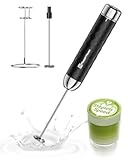
- 【Stepless Speed Control Design】Unlike traditional button-operated milk frother, this LunaFro 2.0 electric milk frother allows you to seamlessly adjust the frothing speed with unparalleled precision, ranging from 4500RPM to 10000RPM, simply by toggling the rotary switch. Experience the ultimate control as you craft the perfect froth for different beverages. Say goodbye to splashes and lackluster froth
- 【One Charging, 1440 Hours Ready】With a built-in 1200mAh lithium battery, this portable USB-C rechargeable milk frother provides up to 2 months of usage on a single charge(note: if use once per day). Fully charge the battery operated milk foam maker in just 2 hours with the included USB-C cable, eliminating the need for constant battery replacement
- 【Create Rich Creamy Foam in Seconds】Transform your morning coffee routine with our high-speed milk frother. Achieve smooth, creamy foam in just 10-15 seconds, perfect for busy mornings. Elevate your coffee experience with velvety milk foam every time
- 【Versatile for Various Beverages】 Beyond coffee, our LunaFro 2.0 milk frother excels at blending powdered supplements like protein into beverages and preparing mixed drinks. Its versatility makes it an essential tool for all your beverage-making needs, including Latte, Cappuccino, Matcha and cocoa powder
- 【Easy Cleaning and Storage】This Stepless Speed Control milk frother comes with two frothing whisks for easy replacement. Cleaning is straightforward—simply detach the whisk and wash it in water. The included compact stainless steel stand provides convenient storage and organization
10. Tap and Swirl: Gently tap the pitcher on the counter to break any large bubbles. Swirl the milk to integrate the foam and liquid, creating a glossy texture.
- What it looks like: Smooth, shiny milk with a creamy texture.
- Common mistake: Skipping this step. Large bubbles ruin the texture.
11. Pour: Gently pour the frothed milk into your coffee, holding back the foam initially with a spoon if desired, then letting it cascade over the top.
- What it looks like: Beautiful latte art or a perfectly foamy cappuccino.
- Common mistake: Pouring too quickly. This can cause the foam and milk to separate.
Common Mistakes (and What Happens If You Ignore Them)
| Mistake | What it Causes | Fix |
|---|---|---|
| Using stale coffee beans | Weak, bitter, or flat-tasting coffee base | Use freshly roasted beans and grind them right before brewing. |
| Incorrect grind size for brewer | Under-extraction (weak) or over-extraction (bitter) | Use the grind size recommended for your specific coffee maker. |
| Water too hot or too cold | Scorched coffee or weak brew | Aim for 195-205°F water for brewing. |
| Not cleaning the coffee maker | Off-flavors, residue in your cup | Clean your coffee maker regularly, including descaling. |
| Using warm milk for frothing | Poor foam quality, less volume | Always start with cold milk. |
| Overfilling the milk pitcher | Spills, messy cleanup, poor foam | Fill the pitcher no more than one-third to halfway. |
| Overheating the milk | Burnt, scalded taste, ruins foam | Heat milk to 140-150°F. Use a thermometer if unsure. |
| Not purging the steam wand | Watery milk, affects steam pressure | Always purge the steam wand briefly before and after frothing. |
| Frothing too long or not long enough | Too airy or too thin foam | Listen for the hiss, watch the volume increase, and feel the pitcher’s temperature. |
| Not tapping and swirling the milk | Large, unstable bubbles, poor texture | Tap the pitcher to pop bubbles and swirl to integrate foam with the milk for a creamy texture. |
| Using skim milk for frothing | Very thin, unstable foam | Whole milk gives the best results. Dairy alternatives can work but may require experimentation. |
| Incorrect coffee-to-water ratio | Weak or overly strong coffee base | Start with a recommended ratio for your brew method (e.g., 1:15 for drip, 1:2 for espresso). |
Decision Rules for Frothy Coffee
- If your milk foam is too airy and bubbly, then you likely incorporated too much air at the start or frother for too long.
- If your milk foam is thin and disappears quickly, then you didn’t incorporate enough air, or you used milk that doesn’t froth well (like skim).
- If your steamed milk tastes burnt, then you overheated it. Aim for 140-150°F.
- If your coffee tastes bitter, then your coffee grounds might be too fine, your water too hot, or you over-extracted.
- If your coffee tastes weak, then your grounds might be too coarse, your water too cool, or you under-extracted.
- If you want the creamiest foam, then use whole milk because its fat content helps create stable microfoam.
- If you’re using a dairy alternative, then experiment with different brands and types (oat, soy, almond) as they froth differently.
- If your steam wand isn’t producing enough steam, then check if your machine needs descaling or if the wand is clogged.
- If you want to practice latte art, then focus on getting that smooth, glossy microfoam first, then work on pouring technique.
- If your electric frother isn’t creating enough foam, then ensure it’s clean and that you’re using the right amount of milk.
- If your coffee base is off, then don’t expect perfect froth to save it; perfect your coffee first.
FAQ
Q: What’s the best milk for frothing?
A: Whole milk generally produces the creamiest, most stable foam due to its fat content. However, many baristas find success with oat milk and some soy milk varieties.
Q: How hot should my milk be for frothing?
A: For optimal taste and texture, aim for milk heated between 140°F and 150°F. Any hotter, and it can scald and taste burnt, ruining the sweetness.
Q: Can I froth milk without a special machine?
A: Yes! You can use a handheld frothing wand, a French press (pump it vigorously), or even a mason jar (shake it vigorously after heating). Results will vary.
Q: My foam is too bubbly and airy. What did I do wrong?
A: You likely introduced too much air at the beginning of the steaming process, or you frother for too long. Try submerging the wand a bit deeper and frothing for a shorter time.
Q: My foam disappears almost immediately. What’s the fix?
A: This usually means you didn’t incorporate enough air, or you used milk that doesn’t froth well. Ensure you’re using cold milk and a higher-fat content milk if possible.
Q: How do I get that smooth, glossy microfoam like at coffee shops?
A: It’s a combination of incorporating air just right and then integrating that air into the milk by swirling and heating. The goal is tiny, uniform bubbles.
Q: Do I need to heat the milk before frothing with a steam wand?
A: No, steam wands heat the milk as they froth it. Start with cold milk. If using a handheld frother, you might heat the milk first, then froth.
Q: My espresso machine’s steam wand isn’t frothing well. What could be wrong?
A: It could be clogged with milk residue or need descaling. Ensure the wand is clean and your machine is properly maintained.
Q: Can I use flavored milk for frothing?
A: You can, but the added sugars and stabilizers might affect how it froths. It’s usually best to use plain milk and add flavorings to your coffee base or finished drink.
What This Page Does Not Cover (And Where to Go Next)
- Detailed latte art techniques.
- Specific recommendations for different types of coffee beans or roasts.
- Troubleshooting advanced espresso machine issues.
- Comparisons of different brands of coffee makers or frothers.
Next, you might want to explore guides on latte art pouring, understanding coffee bean origins, or deep dives into espresso machine maintenance.