
Why Coffee Can Make You Need To Use The Bathroom
Quick answer
- Coffee’s diuretic effect, due to caffeine, can increase urine production.
- The acidity of coffee can stimulate the digestive system, leading to bowel movements.
- Caffeine can relax the muscles in your digestive tract, speeding up transit time.
- Individual sensitivity to caffeine and coffee compounds varies greatly.
- For some, the ritual and warmth of coffee can be a trigger.
- If coffee consistently causes digestive distress, consider alternatives or moderation.
What this problem usually is (and is not)
- This issue is often related to the physiological effects of caffeine and other compounds in coffee.
- It’s generally not a sign of a serious medical condition for most people, but a normal bodily response.
- It’s important to distinguish between a mild, expected urge and severe, painful digestive upset.
- This is not typically caused by a malfunctioning coffee maker, but by the coffee itself.
- The problem is usually about how your body reacts to what’s in your coffee, not the brewing process.
- If you experience significant pain, bleeding, or persistent discomfort, consult a healthcare professional.
Likely causes (triage list)
Caffeine Sensitivity:
- Amount of caffeine consumed: A higher dose of caffeine is more likely to trigger a response. You can check the caffeine content of your coffee beans or brewing method.
- Individual metabolism: Some people metabolize caffeine faster or slower, affecting its impact. There’s no easy test for this at home, but your personal experience is a good indicator.
Digestive Stimulation:
- Coffee’s acidity: The natural acids in coffee can irritate the stomach lining or stimulate bowel contractions. You can gauge this by how your stomach feels after drinking different roasts or brewing methods.
- Gastrin release: Coffee can stimulate the release of gastrin, a hormone that increases stomach acid and bowel activity. This is an internal bodily process.
Physical and Habitual Factors:
- The ritual of drinking: For some, the act of sitting down with a warm beverage signals the body to prepare for digestion. This is a learned association.
- Temperature of the beverage: Warm liquids can sometimes stimulate the digestive system. Observe if cold coffee has a different effect.
Brewing and Coffee Type:
- Type of roast: Darker roasts are often less acidic than lighter roasts. This can be a factor if you notice a difference between them.
- Brewing method: Methods that extract more oils or solids might influence the digestive response. For example, French press coffee can be richer than drip coffee.
Fix it step-by-step (brew workflow)
This guide focuses on adjusting your coffee consumption habits, as the coffee maker itself is unlikely to be the cause.
1. Assess your current coffee intake:
- What to do: Note how much coffee you drink daily and when.
- What “good” looks like: A clear understanding of your consumption patterns.
- Common mistake: Underestimating your intake or not tracking it consistently. Avoid this by writing it down for a few days.
2. Consider reducing caffeine:
- What to do: Switch to decaffeinated coffee or reduce the number of caffeinated cups.
- What “good” looks like: A noticeable decrease in the urgency or frequency of bathroom visits.
- Common mistake: Switching to a highly caffeinated alternative thinking it will help. Avoid this by choosing genuinely lower-caffeine options.
If you’re looking to reduce caffeine’s impact, consider switching to a good decaffeinated coffee. It can help lessen the urgency without sacrificing the coffee experience.
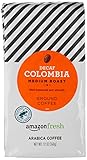
- Balanced, full-bodied medium roast with a smooth finish
- One 12-ounce bag of ground coffee
- Decaffeinated
- 100% Arabica coffee grown in Colombia
- Roasted and packed in the U.S.A.
3. Experiment with coffee type:
- What to do: Try different roasts (lighter vs. darker) or origins. Some find darker roasts easier on their stomach.
- What “good” looks like: Discovering a coffee that provides the desired flavor and experience with fewer digestive issues.
- Common mistake: Assuming all coffees will have the same effect. Avoid this by being open to trying new varieties.
4. Adjust brewing method (if applicable):
- What to do: If you use a French press, try a paper filter method like a pour-over or drip machine. Paper filters can remove more oils and sediment.
- What “good” looks like: A smoother cup that doesn’t trigger a strong digestive response.
- Common mistake: Not cleaning your brewing equipment properly, which can affect taste and potentially digestion. Avoid this by always cleaning your brewer after use.
5. Modify your timing:
- What to do: Avoid drinking coffee immediately upon waking or on an empty stomach. Try having it after a small breakfast.
- What “good” looks like: A buffered effect, where the coffee’s impact is less immediate and intense.
- Common mistake: Drinking coffee as your very first activity of the day. Avoid this by incorporating a small snack or meal beforehand.
6. Stay hydrated with water:
- What to do: Drink a glass of water before or alongside your coffee.
- What “good” looks like: Diluting the coffee’s effects and ensuring you’re not dehydrated, which can exacerbate digestive issues.
- Common mistake: Forgetting to drink water, which can make the diuretic effect of coffee more pronounced. Avoid this by keeping a water bottle handy.
7. Listen to your body:
- What to do: Pay attention to how you feel after drinking coffee. Note any patterns or triggers.
- What “good” looks like: Developing an awareness of your personal responses to coffee.
- Common mistake: Ignoring warning signs or pushing through discomfort. Avoid this by respecting your body’s signals.
Prevent it next time
- Clean your coffee maker regularly: Follow the manufacturer’s instructions for cleaning and descaling.
- Use filtered water: Good water quality can improve taste and potentially reduce mineral buildup in your machine.
- Store coffee beans properly: Keep them in an airtight container away from light, heat, and moisture.
- Measure your coffee and water accurately: Use a scale for consistent results. A common starting ratio is 1:15 to 1:18 (coffee to water by weight).
- Grind your beans fresh: Grind just before brewing for the best flavor and aroma.
- Use the correct grind size for your brewing method: Too fine a grind can lead to over-extraction and bitterness; too coarse can lead to under-extraction.
- Ensure the filter is seated correctly: For drip machines, make sure the filter is in place and not folded.
- Be mindful of caffeine intake: If you’re sensitive, opt for decaf or reduce your consumption.
- Consider coffee’s acidity: If acidity is an issue, try darker roasts or cold brew.
- Don’t ignore persistent digestive issues: If discomfort is severe or persistent, seek medical advice.
Common mistakes (and what happens if you ignore them)
| Mistake | What it causes | Fix |
|---|---|---|
| Drinking coffee on an empty stomach | Increased stomach acid production, potential heartburn, and urgent bowel movements. | Try having a small snack or meal before your coffee. |
| Consuming too much caffeine | Heightened diuretic effect, jitters, increased heart rate, and digestive urgency. | Reduce the number of caffeinated cups or switch to decaf. |
| Using stale coffee beans | Flat taste, less aroma, and potentially more bitter compounds. | Grind fresh beans just before brewing and store beans properly in an airtight container. |
| Incorrect grind size for brewing | Over-extraction (bitter, harsh) or under-extraction (weak, sour). | Use a burr grinder and consult guides for the appropriate grind size for your specific brewing method (e.g., fine for espresso, medium for drip, coarse for French press). |
| Not cleaning the coffee maker | Mineral buildup, mold, and stale coffee oils affecting taste and hygiene. | Descale your machine every 1-3 months and clean removable parts after each use. |
| Using tap water with high mineral content | Scale buildup in the machine, affecting performance and taste. | Use filtered or bottled water for brewing. |
| Ignoring digestive discomfort | Persistent stomach upset, cramping, or other gastrointestinal issues. | Reduce coffee intake, try decaf, or consult a healthcare professional. |
| Assuming all coffee is the same | Missing opportunities to find a brew that suits your digestive system better. | Experiment with different roasts, origins, and brewing methods to see what works best for you. |
Decision rules (simple if/then)
- If you experience a sudden, strong urge to use the bathroom shortly after drinking coffee, then consider reducing your caffeine intake because caffeine is a stimulant that can affect both the bladder and bowels.
- If coffee causes heartburn or stomach upset, then try darker roasts or cold brew because they are generally less acidic than lighter roasts.
- If you find yourself needing to use the bathroom immediately after your first cup of the day, then try having coffee after breakfast because food can buffer the digestive stimulation.
- If you drink multiple cups of coffee daily and experience frequent bathroom trips, then gradually reduce your intake to see if symptoms improve because excessive consumption can amplify the diuretic and stimulant effects.
- If switching to decaf coffee still causes digestive issues, then the problem might be acidity or other compounds in coffee, not just caffeine.
- If your coffee tastes bitter or harsh, then check your grind size and brewing time because over-extraction can lead to unpleasant flavors and potentially more digestive irritation.
- If you notice a difference in how your stomach feels with different brewing methods, then stick to the method that causes you less discomfort because extraction methods can affect the oils and acids in the final cup.
- If you experience severe pain, cramping, or bleeding, then stop drinking coffee and consult a doctor because these could be signs of a more serious condition unrelated to normal coffee effects.
- If you’re sensitive to caffeine, then opt for coffee with naturally lower caffeine levels or a brewing method that extracts less caffeine, such as a pour-over compared to espresso.
- If you suspect your coffee maker is the issue, then perform a cleaning cycle and descale it, but if symptoms persist, the cause is likely the coffee itself.
FAQ
Q: Does caffeine make you need to pee more?
A: Yes, caffeine is a mild diuretic, meaning it can increase urine production. This is one reason why you might feel the urge to use the bathroom more frequently after drinking coffee.
Q: Can the acidity of coffee cause digestive issues?
A: Yes, the natural acids in coffee can stimulate stomach acid production and bowel movements for some individuals, leading to an increased need to go.
Q: Is it normal for coffee to make me have a bowel movement?
A: For many people, it is normal. Coffee can stimulate the colon, and the combination of caffeine and other compounds can speed up digestion.
Q: How can I reduce the diuretic effect of coffee?
A: You can try drinking decaf coffee, reducing your overall intake, or drinking a glass of water alongside your coffee to stay hydrated.
Q: What’s the difference between a light roast and a dark roast regarding digestion?
A: Darker roasts are generally less acidic than lighter roasts because the roasting process breaks down some of the acids. Some people find darker roasts easier on their stomach.
Q: Can the temperature of coffee affect my digestion?
A: Warm liquids, in general, can sometimes stimulate the digestive system. If you notice a difference, experiment with drinking your coffee slightly cooler.
Q: I get jittery and need to go to the bathroom after coffee. What should I do?
A: This suggests you might be sensitive to caffeine. Try switching to decaf, reducing your intake, or ensuring you have eaten something before drinking coffee.
Q: Are there specific brewing methods that are better for sensitive stomachs?
A: Cold brew coffee is often recommended because it’s less acidic than hot-brewed coffee. Also, using paper filters in drip or pour-over methods can remove more oils that might contribute to digestive upset.
What this page does NOT cover (and where to go next)
- Specific medical diagnoses: This page does not diagnose or treat medical conditions. If you have severe or persistent digestive issues, consult a healthcare provider.
- Detailed nutritional breakdowns of coffee: Information on specific compounds beyond caffeine and acidity is not included.
- Comparison of specific coffee brands or roasters: This guide focuses on general principles of coffee brewing and consumption.
- Advanced brewing techniques for flavor optimization: While brewing method is touched upon, this is not a deep dive into maximizing coffee taste.
- Troubleshooting coffee maker malfunctions: This article assumes the coffee maker is functioning correctly; problems with the machine itself are not covered.