
How to Make a White Russian Cocktail with Coffee
Quick answer
- A White Russian cocktail is traditionally made with vodka, coffee liqueur, and cream.
- You can absolutely make a White Russian with coffee, but it requires a few adjustments.
- For a stronger coffee flavor, consider using freshly brewed coffee or espresso instead of, or in addition to, coffee liqueur.
- The ratio of ingredients is key to balancing the flavors.
- Experiment with different types of cream or milk alternatives to find your preference.
- Ensure your coffee is chilled before mixing to avoid diluting the cocktail.
Who this is for
- Home bartenders looking to put a twist on a classic cocktail.
- Coffee lovers who enjoy incorporating their favorite beverage into drinks.
- Anyone curious about how to adapt a recipe using a fresh ingredient like coffee.
What to check first
Brewer type and filter type
The type of coffee maker you use will influence the strength and flavor profile of your coffee. For a White Russian, a concentrated brew is often desirable.
- Espresso Machine: Produces a strong, rich shot perfect for a robust coffee flavor.
- Moka Pot: Offers a concentrated, espresso-like coffee.
- Drip Coffee Maker: Can be used, but you’ll want to brew a stronger batch. Consider using less water or more grounds.
- French Press: Allows for good control over immersion time, potentially yielding a richer brew.
Filter type matters for clarity and body. Paper filters remove more oils and sediment, resulting in a cleaner cup. Metal filters allow more oils through, contributing to a fuller body. For a cocktail, a cleaner coffee might be preferred to avoid cloudiness.
Water quality and temperature
Using filtered water will significantly improve the taste of your coffee, removing any off-flavors from tap water. For brewing coffee intended for a cocktail, aim for water temperatures between 195°F and 205°F. This range is ideal for extracting the best flavor from coffee grounds. If your coffee is too hot, it can scald the grounds and produce bitter notes.
Grind size and coffee freshness
The grind size should match your brewing method.
- Espresso: Fine grind.
- Moka Pot: Fine to medium-fine grind.
- Drip/Pour-over: Medium grind.
- French Press: Coarse grind.
Freshly roasted and ground coffee makes a noticeable difference. Ideally, use beans roasted within the last few weeks and grind them just before brewing. Stale coffee can lead to a dull or bitter flavor in your White Russian.
Coffee-to-water ratio
For a White Russian where coffee is a primary flavor component, you’ll want a concentrated brew. A typical starting point for strong coffee might be a ratio of 1:15 (1 gram of coffee to 15 grams of water), but for a cocktail, you might go as high as 1:10 or even 1:8 for a very intense flavor. Always check your specific coffee maker’s recommendations and adjust to your taste.
Cleanliness/descale status
A dirty coffee maker can impart stale, bitter, or even metallic flavors into your brew, which will negatively impact your cocktail. Regularly clean your coffee maker according to the manufacturer’s instructions. Descaling removes mineral buildup that can affect brewing temperature and taste. If you’re unsure when it was last cleaned or descaled, it’s a good idea to do so before brewing coffee for your White Russian.
Step-by-step (brew workflow)
1. Brew your coffee: Prepare a concentrated batch of coffee or espresso using your preferred method.
- What “good” looks like: A rich, aromatic liquid with no signs of bitterness or excessive acidity.
- Common mistake: Brewing a weak batch of coffee.
- How to avoid it: Use a finer grind for espresso or a Moka pot, or increase the coffee-to-water ratio for drip brewers.
2. Chill the coffee: Pour the brewed coffee into a container and let it cool to room temperature, then refrigerate it until thoroughly chilled.
- What “good” looks like: Cold coffee that won’t melt ice too quickly or dilute the cocktail.
- Common mistake: Adding hot or warm coffee directly to the cocktail.
- How to avoid it: Plan ahead and ensure your coffee is chilled, or use an ice bath to speed up cooling if you’re in a hurry.
3. Gather your ingredients: You’ll need vodka, coffee liqueur (optional, if using fresh coffee), cream, and your chilled coffee.
- What “good” looks like: All components are measured and ready to go.
- Common mistake: Realizing you’re missing an ingredient mid-mix.
- How to avoid it: Prepare your workspace and measure everything out before you start assembling the drink.
You’ll need vodka, coffee liqueur (optional, if using fresh coffee), cream, and your chilled coffee. If you’re looking for a quality coffee liqueur to add that classic sweetness and coffee note, consider this popular option.
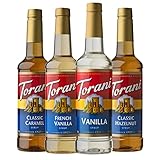
- Coffee Flavor Variety Pack: Perfect for making your own flavored lattes, mochas, cappuccinos and more, this variety pack includes 1 bottle of each: Caramel, French Vanilla, Vanilla and Hazelnut
- Flavoring Syrups: Made with pure cane sugar, natural flavors and cold-filtered water, Torani Original Syrups provide gold-standard flavors and vibrant colors to create amazing drink experiences
- Authentic Coffeehouse Flavor: From caramel to French vanilla to hazelnut—and everything in between—our syrups and sauces are here to help you create tantalizing lattes, cappuccinos, cold brews and frappes
- Find Your Recipe: We are here to help you create tantalizing drinks for every taste, occasion, and mood; Mix up some magic with caramel, lavender, pumpkin pie, hazelnut, chocolate, and many more flavors
- Flavor For All: Discover how Torani can help you make truly creative flavored teas, lemonades, smoothies, milkshakes, Italian sodas, coffees, cocktails, mocktails, snow cones, sparkling waters and more
4. Chill your serving glass: Place your rocks glass or coupe glass in the freezer for at least 10-15 minutes.
- What “good” looks like: A frosty glass that will keep your cocktail cold.
- Common mistake: Serving in a room-temperature glass.
- How to avoid it: Don’t skip this step; it makes a significant difference in the drinking experience.
5. Add ice to the serving glass: Fill your chilled glass with fresh ice cubes.
- What “good” looks like: The glass is full of ice, ready to keep the drink cold.
- Common mistake: Using old or cloudy ice.
- How to avoid it: Use fresh, clear ice made from filtered water.
6. Pour the vodka: Add your chosen vodka to the glass. A standard pour is 1.5 to 2 oz.
- What “good” looks like: The correct amount of vodka is in the glass.
- Common mistake: Over-pouring or under-pouring vodka.
- How to avoid it: Use a jigger or measuring cup for accuracy.
7. Add the coffee liqueur (if using): If you’re using coffee liqueur, add your desired amount (typically 1 oz).
- What “good” looks like: The coffee liqueur is added, contributing its sweetness and coffee notes.
- Common mistake: Forgetting the coffee liqueur if you’re not solely relying on fresh coffee.
- How to avoid it: Refer to your recipe and double-check your ingredients.
8. Add the chilled coffee: Pour your chilled, concentrated coffee into the glass. The amount will vary based on your preference and whether you’re using coffee liqueur (start with 1-2 oz).
- What “good” looks like: The coffee is well-integrated with the other liquids.
- Common mistake: Adding too much coffee, overpowering the other flavors.
- How to avoid it: Start with a smaller amount and add more to taste.
9. Stir gently: Stir the ingredients in the glass for about 15-20 seconds to combine and chill.
- What “good” looks like: The liquids are mixed, and the drink is cold.
- Common mistake: Shaking a White Russian (which can make it too frothy).
- How to avoid it: Stirring is the traditional method for a smooth texture.
10. Top with cream: Slowly pour the cream over the back of a spoon held just above the surface of the drink. This creates a layered effect.
- What “good” looks like: A distinct layer of cream floating on top of the coffee and vodka mixture.
- Common mistake: Pouring the cream too quickly, causing it to mix completely.
- How to avoid it: Use a bar spoon or regular spoon and pour slowly, allowing the cream to float.
11. Garnish (optional): Add a dusting of cocoa powder or a few coffee beans.
- What “good” looks like: A visually appealing garnish that complements the drink.
- Common mistake: Over-garnishing or using a garnish that clashes.
- How to avoid it: Keep it simple and relevant to the coffee theme.
12. Serve and enjoy: Present the White Russian cocktail immediately.
- What “good” looks like: A perfectly chilled, balanced, and delicious cocktail.
- Common mistake: Letting the drink sit too long, allowing the ice to melt excessively.
- How to avoid it: Serve promptly after preparation.
Common mistakes (and what happens if you ignore them)
| Mistake | What it causes | Fix |
|---|---|---|
| Using stale coffee beans | Dull, flat, or bitter coffee flavor in the cocktail. | Use freshly roasted and ground coffee. |
| Brewing weak coffee | A watery, flavorless cocktail that lacks depth. | Use a higher coffee-to-water ratio or a more concentrated brewing method. |
| Adding hot or warm coffee | Diluted cocktail, melted ice, and a less enjoyable temperature. | Always chill your coffee thoroughly before mixing. |
| Using un-filtered tap water | Off-flavors in the coffee that detract from the cocktail’s taste. | Use filtered water for brewing your coffee. |
| Incorrect grind size for brewing method | Poor extraction, leading to either bitter (too fine) or weak (too coarse) coffee. | Match grind size to your specific coffee maker. |
| Dirty coffee maker | Unpleasant, stale, or metallic off-flavors in the coffee. | Clean and descale your coffee maker regularly. |
| Not chilling the serving glass | Cocktail warms up too quickly, losing its refreshing quality. | Chill your glass in the freezer for at least 10-15 minutes. |
| Stirring too vigorously or shaking | Can break down the cream, making the drink cloudy or overly frothy. | Stir gently to combine ingredients and chill; avoid shaking. |
| Pouring cream too quickly | The cream mixes in immediately, preventing the desired layered effect. | Pour cream slowly over the back of a spoon held just above the drink’s surface. |
| Incorrect coffee-to-water ratio for coffee | Coffee flavor is too weak or too overpowering for the cocktail. | Start with a strong brew and adjust based on personal preference for coffee intensity. |
Decision rules (simple if/then)
- If you prefer a less sweet cocktail, then reduce the amount of coffee liqueur because it adds sweetness.
- If you want a stronger coffee flavor without added sweetness, then use freshly brewed espresso and omit the coffee liqueur because espresso provides intense coffee notes.
- If you are using a drip coffee maker and want a stronger brew, then use a finer grind than usual and a slightly higher coffee-to-water ratio because this will extract more flavor.
- If you want a smoother texture and don’t mind the cream fully integrating, then you can stir the cream in vigorously or even give it a light shake because this will emulsify it.
- If you are sensitive to caffeine, then consider using decaffeinated coffee for your brew because it will reduce the caffeine content.
- If you want a dairy-free White Russian, then use a plant-based milk or cream alternative like oat cream or coconut cream because these will provide a similar texture without dairy.
- If your cocktail tastes too boozy, then add a little more coffee or cream to balance the alcohol because this will mellow out the vodka’s intensity.
- If your cocktail tastes too bitter, then you might have used over-extracted coffee or too much coffee liqueur, so try a coarser grind next time or slightly less liqueur because bitterness can come from over-extraction or too much sweetener.
- If you want a lighter drink, then use a lighter cream or even half-and-half instead of heavy cream because this will reduce the richness and fat content.
- If you want a richer, more decadent drink, then use heavy cream because it will provide the most luxurious texture and mouthfeel.
- If your coffee is too acidic, then try a darker roast or a different brewing method like French press because acidity can be a flavor characteristic of certain beans and roasts.
FAQ
Can you make a White Russian with regular coffee?
Yes, you can make a White Russian with regular brewed coffee. For a stronger flavor, brew it concentrated, like an espresso or Moka pot, and make sure it’s well-chilled before mixing.
How much coffee should I use in a White Russian?
This depends on your preference. A good starting point is 1 to 2 ounces of chilled, concentrated coffee per drink, especially if you’re also using coffee liqueur. Adjust to your taste for a stronger or milder coffee presence.
What kind of coffee is best for a White Russian?
A dark roast or espresso roast generally works well, as these beans are often roasted to bring out richer, bolder flavors that stand up well in a cocktail. However, experiment with your favorite coffee.
Do I need coffee liqueur if I use fresh coffee?
Not necessarily. If you use a very strong, concentrated brew of fresh coffee, you might find it provides enough coffee flavor on its own. Many recipes use both for a more complex profile.
Can I use milk instead of cream in a White Russian?
Yes, you can use milk, half-and-half, or even non-dairy alternatives like oat milk or almond milk. Milk will result in a lighter, less rich drink compared to heavy cream.
What is the traditional White Russian recipe?
The traditional recipe is typically 2 parts vodka, 1 part coffee liqueur (like Kahlúa), and 1 part cream, served over ice. The “coffee” aspect comes primarily from the coffee liqueur.
How do I get the layered effect in a White Russian?
To achieve the classic layered look, pour the cream slowly over the back of a spoon held just above the surface of the mixed vodka and coffee liqueur. This allows the cream to float on top.
What happens if I shake a White Russian?
Shaking a White Russian, especially with the cream, can cause it to become frothy and emulsified, losing the distinct layered appearance. It will still taste good, but the texture and presentation will be different.
What this page does NOT cover (and where to go next)
- Specific brand recommendations for vodka, coffee liqueur, or coffee beans.
- Detailed instructions for every type of coffee brewing equipment.
- Advanced cocktail techniques like molecular mixology or complex infusions.
- Nutritional information or calorie counts for the cocktail.
- Recipes for other coffee-based cocktails.