
Building Coffee Tolerance Gradually
Quick answer
- Building coffee tolerance is a gradual process that involves slowly increasing your intake of caffeine.
- Start with smaller amounts of coffee or lower caffeine beverages and gradually increase the volume or frequency.
- Pay attention to your body’s signals, such as jitters, anxiety, or digestive issues, and adjust accordingly.
- Consider the type of coffee and brewing method, as some can deliver caffeine differently.
- Consistency in your approach can help your body adapt over time.
- Hydration and a balanced diet can support your body’s overall response to caffeine.
Key terms and definitions
- Caffeine: A natural stimulant found in coffee beans, tea leaves, and cocoa beans, known for its energizing effects.
- Tolerance: A physiological state where the body becomes less responsive to a substance, requiring larger doses to achieve the same effect.
- Withdrawal: The physical and psychological symptoms experienced when regular caffeine intake is stopped or significantly reduced.
- Half-life: The time it takes for the body to eliminate half of a consumed substance, like caffeine.
- Adenosine: A neurotransmitter in the brain that promotes relaxation and sleepiness; caffeine blocks its receptors.
- Stimulant: A substance that increases the activity of the central nervous system, leading to increased alertness and energy.
- Dosage: The amount of caffeine consumed in a single serving or over a period.
- Metabolism: The complex chemical processes in the body that convert food and drink into energy.
- Habituation: A form of learning where an organism decreases or ceases to respond to a stimulus after repeated presentations.
- Sensitization: The opposite of tolerance, where the body becomes more sensitive to a substance over time.
How it works
- Caffeine primarily works by blocking adenosine receptors in the brain.
- Adenosine is a neurotransmitter that builds up throughout the day, signaling tiredness.
- By blocking adenosine, caffeine prevents it from binding to its receptors, leading to increased alertness and reduced fatigue.
- Caffeine also stimulates the release of other neurotransmitters like dopamine and norepinephrine, which further enhance mood and focus.
- The body’s response to caffeine can change over time due to repeated exposure.
- This repeated exposure can lead to adaptations in the brain, such as an increase in adenosine receptors.
- With more adenosine receptors, more caffeine is needed to block them all and achieve the same stimulating effect.
- This physiological change is the basis of developing caffeine tolerance.
- The liver also plays a role by metabolizing caffeine, and its efficiency can influence how long caffeine’s effects last.
- Gradually increasing caffeine intake allows these physiological adaptations to occur slowly, potentially minimizing negative side effects.
If you’re looking for a more controlled way to manage your caffeine intake while building tolerance, consider using caffeine supplements. These allow you to precisely measure your dosage.
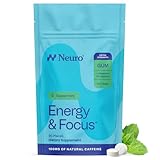
- Fast-Acting Nootropic - Our energy supplements deliver an extra boost of energy and clarity with a blend of natural caffeine, L-theanine, and vitamin b6 & b12. Your go-to chewing gum for work, exercise, and daily focus!
- Clean Energy - Each piece of our sugar free gum delivers 100mg of natural caffeine from green coffee beans for a smooth energy boost without crashes or jitters.
- The Perfect Balance - With 60mg of L-theanine per piece, our energy and focus formula promotes enhanced focus and stress reduction to smooth energy boosts.
- How to Use - Chew one piece of the caffeine gum whenever focus or energy is lacking. Ideal for mornings, pre-workout, or afternoon slumps. Effects typically kick in within minutes thanks to optimal absorption through the mouth.
- Made by Neuro, Backed by Science - At Neuro, we combine neuroscience with clean, science backed ingredients to help you do more, think better, and feel your best every single day.
What affects the result
- Starting Dosage: The amount of caffeine you begin with significantly impacts how your body reacts and adapts.
- Frequency of Consumption: Drinking coffee daily versus occasionally will lead to different tolerance levels.
- Type of Coffee Bean: Different beans have varying caffeine content. For example, Robusta beans generally have more caffeine than Arabica beans.
- Brewing Method: Methods like espresso or cold brew can extract caffeine differently, affecting the concentration in your cup.
- Grind Size: A finer grind can lead to more efficient extraction of caffeine during brewing.
- Water Temperature: Optimal brewing temperatures can influence the extraction of compounds, including caffeine.
- Brew Time: Longer contact between water and coffee grounds can result in higher caffeine levels.
- Portion Size: Simply drinking more coffee means consuming more caffeine.
- Individual Genetics: People metabolize caffeine at different rates due to genetic variations.
- Body Weight: Generally, larger individuals may tolerate more caffeine than smaller individuals.
- Other Stimulant Intake: Consuming other caffeinated products or substances can contribute to overall stimulant load.
- Hydration Levels: Being well-hydrated can support your body’s processes, including caffeine metabolism.
Pros, cons, and when it matters
- Pro: Increased Alertness and Focus: A primary benefit of coffee, allowing for improved concentration and productivity.
- Con: Jitters and Anxiety: Too much caffeine can lead to nervousness, restlessness, and heightened anxiety.
- Pro: Enhanced Physical Performance: Caffeine is known to improve endurance and performance during exercise.
- Con: Sleep Disruption: Consuming coffee too late in the day can interfere with your ability to fall asleep.
- Pro: Potential Mood Enhancement: Caffeine can temporarily boost mood and feelings of well-being.
- Con: Digestive Issues: For some, coffee can cause stomach upset, heartburn, or laxative effects.
- Pro: Building Tolerance: Gradually increasing tolerance means you can eventually enjoy more coffee without overstimulation.
- Con: Withdrawal Symptoms: If you build a tolerance and then stop, you might experience headaches, fatigue, and irritability.
- Pro: Social Ritual: Coffee breaks and coffee shops are often social hubs, offering connection.
- Con: Dependence: Relying heavily on coffee to function can create a dependence.
- When it matters: Building tolerance can be important for individuals who enjoy coffee but find they are overly sensitive to its effects. It allows for a more comfortable and sustained enjoyment of coffee’s benefits. It matters if you are aiming to increase your coffee intake for social reasons or to manage fatigue without experiencing negative side effects.
Common misconceptions
- Myth: Coffee is inherently bad for you. While excessive caffeine can have downsides, moderate coffee consumption is linked to several health benefits.
- Myth: You can build tolerance overnight. Tolerance develops gradually over days and weeks of consistent intake.
- Myth: All coffee has the same amount of caffeine. Caffeine content varies significantly by bean type, roast, and brewing method.
- Myth: Decaf coffee has no caffeine. Decaffeinated coffee still contains a small amount of caffeine, though significantly less than regular coffee.
- Myth: Coffee directly causes dehydration. While caffeine is a mild diuretic, moderate consumption is unlikely to cause significant dehydration, especially if you’re also drinking water.
- Myth: You can “power through” caffeine withdrawal with more coffee. This can perpetuate a cycle of dependence and may worsen withdrawal symptoms in the long run.
- Myth: Tolerance means you’re immune to caffeine’s effects. You still feel the effects, but you need more to achieve the same intensity.
- Myth: Cold brew coffee has less caffeine. Cold brew can often have more caffeine due to a higher coffee-to-water ratio and longer steeping time.
- Myth: Roasting coffee reduces caffeine. The roasting process actually has minimal impact on caffeine content; it’s primarily determined by the bean itself.
- Myth: Sugar or cream negates caffeine’s effects. While they add calories and flavor, they do not reduce the stimulant impact of caffeine.
FAQ
- How long does it take to build coffee tolerance?
Building noticeable tolerance typically takes a few weeks of consistent, gradually increasing intake. Your body needs time to adapt to the regular presence of caffeine.
- What are the first signs my body is becoming tolerant?
You might notice that your usual cup of coffee no longer provides the same strong jolt of energy or alertness. You might feel less jittery or anxious than you did when you first started drinking it.
- Can I speed up the process of building tolerance?
While you can increase your intake more quickly, it’s generally not recommended. Rapid increases can lead to negative side effects like anxiety, jitters, and digestive upset. Gradual is key.
- What if I experience negative side effects while trying to build tolerance?
If you feel jittery, anxious, or have an upset stomach, reduce your intake immediately. Wait for those symptoms to subside before trying to increase your caffeine consumption again, perhaps at a slower pace.
- Does the type of coffee maker matter when building tolerance?
Yes, the brewing method can affect caffeine extraction. For example, an espresso machine extracts caffeine quickly and in high concentration, while a drip coffee maker might yield a more moderate amount. Experimenting with different methods might influence how your body responds.
- Should I drink coffee at the same time each day?
Consistency can help. Drinking coffee around the same time each day can help your body anticipate the caffeine and establish a routine, potentially aiding in adaptation.
- What is the safest way to increase my coffee intake?
Start with your current comfortable amount and add a small increment, like half a cup or a slightly larger serving, every few days or once a week. Pay close attention to how you feel.
- Will drinking decaf coffee help me maintain tolerance without the jitters?
Decaf coffee still contains a small amount of caffeine. It can be a way to enjoy the ritual and flavor with less stimulant effect, but it won’t maintain a high tolerance for regular coffee.
What this page does NOT cover (and where to go next)
- Specific caffeine content of various coffee beans, roasts, and brewing methods. (Next: Research coffee bean origins and roast profiles for caffeine levels.)
- Detailed physiological mechanisms of caffeine metabolism and receptor binding. (Next: Explore scientific articles on psychopharmacology and caffeine.)
- Health benefits and risks associated with long-term, high-level caffeine consumption. (Next: Consult health professionals or review medical literature on caffeine’s impact.)
- Recipes for specific coffee drinks or brewing techniques. (Next: Look for coffee brewing guides and recipe collections.)
- The impact of caffeine on specific medical conditions or medications. (Next: Speak with your doctor or a pharmacist.)