
Iced Coffee With Condensed Milk At Home
Quick answer
- Brew your coffee strong and let it cool completely.
- Use a sweetener like condensed milk to add richness and sweetness.
- Combine cooled coffee, condensed milk, and ice in a glass.
- Stir well until thoroughly chilled and mixed.
- Add optional additions like cream or vanilla for extra flavor.
- Adjust sweetness and coffee strength to your personal preference.
Who this is for
- Coffee lovers who enjoy a sweet and creamy beverage.
- Those looking for a refreshing way to enjoy coffee, especially in warmer weather.
- Home baristas seeking a simple, delicious recipe without complex equipment.
What to check first
Coffee Brewing Method and Filter Type
The type of coffee maker you use will influence the final flavor and strength. Whether you’re using a drip machine, French press, pour-over, or even an AeroPress, ensure it’s clean and functioning correctly. The filter type (paper, metal, cloth) can also affect the body and clarity of your coffee. For iced coffee, a slightly bolder brew is often desirable to account for dilution from ice.
The type of coffee maker you use will influence the final flavor and strength. For a convenient way to brew strong coffee specifically for iced beverages, consider a dedicated iced coffee maker.

- BREW BY THE CUP OR CARAFE: Brews both K-Cup pods and coffee grounds.
- MULTISTREAM TECHNOLOGY: Saturates the grounds evenly to extract full flavor and aroma in every cup, hot or cold.
- BREW OVER ICE: Adjusts temperature for maximum flavor and less ice melt for single-cup iced coffees and teas.
- STRONG BREW & EXTRA HOT FUNCTIONALITY: Brews a stronger, more intense-flavored cup and the extra hot feature brews a hotter single cup.
- MULTIPLE BREW SIZES: Brew 6, 8, 10, or 12oz single cups or 6, 8, 10, or 12-cup carafes. 12-cup glass carafe specially designed to limit dripping.
Water Quality and Temperature
Using filtered water can significantly improve the taste of your coffee. Tap water can sometimes introduce off-flavors. For brewing, aim for water temperatures generally between 195°F and 205°F, unless your specific brewing method calls for something different (like cold brew). For iced coffee, the goal is to have the coffee brewed hot and then cooled, not brewed with cold water.
Grind Size and Coffee Freshness
The grind size should match your brewing method. Too fine a grind can lead to over-extraction and bitterness, while too coarse can result in a weak, watery brew. Freshly roasted and ground coffee beans offer the best flavor. Grind your beans just before brewing for optimal aroma and taste.
Coffee-to-Water Ratio
A good starting point for a strong brew is a ratio of about 1:15 to 1:17 (coffee to water by weight). For iced coffee, you might consider using a slightly higher ratio, such as 1:14, to ensure the flavor remains robust after dilution. For example, using 2 tablespoons of coffee for every 6 ounces of water is a common starting point for a single serving.
Cleanliness and Descale Status
Residue from old coffee oils can turn rancid and impart a bitter, unpleasant taste to your brew. Ensure your coffee maker, grinder, and any brewing vessels are thoroughly cleaned after each use. Regularly descaling your coffee maker, following the manufacturer’s instructions, is crucial for both taste and the longevity of the machine.
Step-by-step (brew workflow)
1. Brew Your Coffee: Prepare a batch of coffee using your preferred method. Aim for a strong brew, as the ice will dilute it.
- What “good” looks like: A full carafe or mug of hot, aromatic coffee.
- Common mistake: Brewing a standard strength coffee.
- How to avoid it: Increase your coffee grounds by about 10-20% or use slightly less water than usual.
2. Cool the Coffee: Allow the brewed coffee to cool down completely. You can speed this up by placing the carafe in an ice bath or transferring it to a heat-safe container and refrigerating it.
- What “good” looks like: Coffee that is no longer steaming and is at room temperature or chilled.
- Common mistake: Pouring hot coffee directly over ice.
- How to avoid it: Patience is key. Hot coffee will melt ice too quickly, resulting in a watered-down drink.
3. Gather Ingredients: Have your cooled coffee, sweetened condensed milk, ice, and any optional additions ready.
- What “good” looks like: All necessary components are within easy reach.
- Common mistake: Realizing you’re missing an ingredient mid-preparation.
- How to avoid it: Do a quick inventory check before you start mixing.
4. Add Condensed Milk: Pour the desired amount of sweetened condensed milk into your serving glass. The amount depends on your sweetness preference.
- What “good” looks like: A visible layer of condensed milk at the bottom of the glass.
- Common mistake: Adding too much condensed milk initially.
- How to avoid it: Start with a smaller amount (e.g., 1-2 tablespoons) and add more later if needed.
5. Add Optional Additions (if using): If you’re adding a splash of heavy cream, half-and-half, or a dash of vanilla extract, now is the time.
- What “good” looks like: Any additional liquids or extracts are in the glass with the condensed milk.
- Common mistake: Forgetting to add flavor enhancers before the coffee.
- How to avoid it: Add them with the condensed milk for easier mixing.
6. Pour in Coffee: Pour the cooled coffee over the condensed milk (and any other additions) in the glass.
- What “good” looks like: Coffee filling the glass, swirling with the condensed milk.
- Common mistake: Not stirring the condensed milk and coffee together.
- How to avoid it: Stir gently after adding the coffee to begin incorporating the condensed milk.
7. Add Ice: Fill the glass generously with ice cubes.
- What “good” looks like: A glass full of ice, chilled to the brim.
- Common mistake: Not using enough ice.
- How to avoid it: Be generous; the ice chills the drink and provides a final dilution.
Fill the glass generously with ice cubes. Using good quality ice cube trays can ensure you always have plenty of perfectly shaped ice ready for your drink.
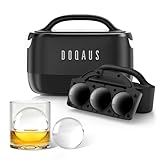
- ✅ Achieve Bar-Quality Clarity with Directional Freezing: Stop settling for cloudy, bubble-filled ice. Our clear ice cube maker utilizes advanced physics to push impurities away, creating 3 crystal-clear spheres and 4 cubes per cycle. It is the secret weapon for the home mixologist wanting presentation-ready drinks without expensive machinery.
- ✅ Preserve Complex Flavors with Slow Dilution: Designed for the purist, this whiskey ice cubes mold produces dense, 2.5-inch ice that melts 40% slower than standard ice. Enjoy your single malt or bourbon chilled but undiluted, ensuring the aromatic profile remains distinct from the first sip to the last.
- ✅ Effortless Release with Premium Hybrid Design: Unlike rigid plastic trays that crack, our flexible silicone ice ball maker mold ensures smooth removal. The non-stick material lets you pop out perfect shapes instantly, making drink preparation seamless for relaxing solo evenings or busy gatherings.
- ✅ Versatile 2-in-1 Capacity for Entertaining: Hosting a cocktail night? This round ice cube mold creates 7 pieces simultaneously, catering to different glass styles. Whether serving an Old Fashioned (sphere) or a Negroni (cube), you will have the right ice shape ready for every guest's preference.
- ✅ The Sophisticated Choice for Gifting: More than just a standard ice mold, this clear ice system is an essential upgrade for any wet bar. Packaged to impress, it creates a tangible experience, making it an ideal gift for fathers, partners, or enthusiasts who value the ritual of a perfectly poured drink.
8. Stir Thoroughly: Stir the mixture vigorously until the condensed milk is fully incorporated and the drink is well-chilled.
- What “good” looks like: A uniform color throughout the drink with no streaks of condensed milk at the bottom.
- Common mistake: Incomplete mixing, leaving pockets of undissolved condensed milk.
- How to avoid it: Stir for at least 30 seconds, ensuring the spoon reaches the bottom of the glass.
9. Taste and Adjust: Take a sip and assess the sweetness and coffee strength. Add more condensed milk for sweetness or a bit more cooled coffee if it’s too strong.
- What “good” looks like: A perfectly balanced sweet and coffee flavor that meets your personal taste.
- Common mistake: Not tasting before serving.
- How to avoid it: Always taste and adjust to ensure satisfaction.
10. Serve: Serve immediately with a straw or long spoon.
- What “good” looks like: A refreshing, delicious iced coffee ready to be enjoyed.
- Common mistake: Letting it sit too long, causing the ice to melt excessively.
- How to avoid it: Enjoy your creation promptly.
Common mistakes (and what happens if you ignore them)
| Mistake | What it causes | Fix |
|---|---|---|
| Using hot coffee directly over ice | Rapid melting of ice, resulting in a watery, diluted drink. | Brew coffee, let it cool completely before combining with ice. |
| Not brewing coffee strong enough | Weak, bland iced coffee that lacks depth of flavor. | Increase coffee grounds or decrease water when brewing. |
| Using stale or poorly ground coffee | Flat, bitter, or off-flavors that detract from the overall taste. | Use freshly roasted beans and grind them just before brewing. |
| Not cooling coffee before adding to ice | Diluted flavor and potentially a lukewarm drink if not enough ice is used. | Allow brewed coffee to reach room temperature or chill it in the refrigerator. |
| Insufficient stirring of condensed milk | Pockets of undissolved sweetness at the bottom, creating an inconsistent taste. | Stir thoroughly until the condensed milk is fully incorporated into the coffee. |
| Using poor quality water | Off-flavors in the coffee that can be noticeable even with sweeteners. | Use filtered or spring water for brewing. |
| Not cleaning brewing equipment | Rancid coffee oils imparting bitterness and staleness. | Clean all brewing equipment regularly, including grinders and carafes. |
| Adding too much condensed milk at once | Overly sweet drink that can be difficult to balance. | Start with a small amount of condensed milk and add more to taste. |
| Not tasting and adjusting before serving | A final drink that doesn’t meet personal preference for sweetness or strength. | Taste your iced coffee before serving and adjust with more condensed milk or coffee as needed. |
| Using ice that smells of the freezer | Unpleasant freezer odors transferring to your drink. | Use fresh ice cubes made with filtered water, and ensure your freezer is free of strong odors. |
Decision rules (simple if/then)
- If your coffee tastes bitter, then you may have over-extracted your coffee, so try a coarser grind or shorter brew time.
- If your coffee tastes weak, then you may have under-extracted your coffee, so try a finer grind or longer brew time.
- If you prefer a less sweet drink, then use less condensed milk because it is a concentrated sweetener.
- If you want a richer texture, then add a splash of heavy cream or half-and-half with the condensed milk because these add fat content.
- If you’re in a hurry to cool your coffee, then place the brewing vessel in an ice bath because this speeds up the cooling process significantly.
- If you notice a stale or off-flavor, then check the freshness of your coffee beans and consider grinding them just before brewing because stale beans lose their volatile aromatics.
- If your iced coffee is too strong after mixing, then add a little more cooled coffee or a splash of water because this will dilute the flavor.
- If your iced coffee is not sweet enough, then add more condensed milk because it is the primary sweetener in this recipe.
- If you want to avoid a watered-down drink, then ensure your coffee is brewed strong and cooled completely before adding ice because this compensates for dilution.
- If you want to enhance the aroma, then add a drop of vanilla extract with the condensed milk because vanilla complements coffee flavors.
- If your brewed coffee has a muddy appearance, then your filter may be too fine or your grind too coarse for the brew method, so adjust accordingly.
- If you’re making a large batch, then brew more coffee than you think you’ll need because it’s better to have extra cooled coffee.
FAQ
Can I use regular milk instead of condensed milk?
You can use regular milk or cream, but you’ll need to add a separate sweetener like sugar or simple syrup, as condensed milk provides both creaminess and sweetness. The texture will also be different; condensed milk adds a richer, thicker body.
How much condensed milk should I use?
This is entirely based on your personal preference. Start with 1-2 tablespoons per serving and add more to taste. Some people prefer it very sweet, while others like just a hint of sweetness.
What kind of coffee is best for iced coffee with condensed milk?
A medium to dark roast generally works well as it provides a bolder flavor that stands up to the sweetness of the condensed milk and the dilution from ice. However, any coffee you enjoy can be used.
Can I make this ahead of time?
You can brew and cool the coffee ahead of time and store it in the refrigerator. It’s best to mix the condensed milk, coffee, and ice just before serving to prevent the ice from melting too much and diluting the drink.
Is there a way to make it less sweet?
Yes, simply use less condensed milk. You can also balance the sweetness by adding a splash of unsweetened cream or half-and-half, or a small amount of unsweetened coffee.
Can I use a cold brew concentrate?
Absolutely. Cold brew concentrate is an excellent base for iced coffee with condensed milk. It’s already strong and smooth, making it ideal for this recipe. Just be sure to dilute it to your preferred strength before adding condensed milk and ice.
What if I don’t have a coffee maker?
You can use instant coffee. Dissolve the instant coffee in a small amount of hot water, let it cool, then proceed with the recipe. For a smoother taste, try dissolving instant coffee in cold water and letting it steep for several hours, similar to cold brew.
Can I add other flavors?
Yes, feel free to experiment! A dash of vanilla extract, a pinch of cinnamon, or a drizzle of chocolate syrup can all add delightful variations to your iced coffee.
What this page does NOT cover (and where to go next)
- Detailed instructions for specific brewing methods (e.g., French press, pour-over). For these, consult your brewer’s manual or dedicated guides.
- Recipes for homemade simple syrups or other complex coffee additions. Explore dedicated beverage recipe resources for these.
- The science of coffee extraction and grind particle distribution. For a deeper dive, look into coffee brewing science articles.
- Comparisons of different coffee bean origins and their flavor profiles. Specialty coffee blogs and resources are excellent for this.
- Advanced latte art techniques or espresso machine maintenance. These topics are covered by specialized barista training materials.