
Easy Cold Coffee At Home
Quick answer
- Use a coarse grind for cold brew.
- Stick to a 1:4 coffee to water ratio for concentrate.
- Let it steep for 12-24 hours.
- Filter it well to remove sediment.
- Dilute concentrate with water or milk to taste.
- Keep it simple and experiment with your favorite beans.
Who this is for
- Anyone craving refreshing iced coffee without the coffee shop price tag.
- Busy folks who want a make-ahead brew.
- Home baristas looking to dip their toes into cold brewing.
What to check first
Brewer type and filter type
Are you using a dedicated cold brew maker, a French press, or just a jar? Each has its own way of handling grounds. Paper filters, metal filters, cheesecloth – know what you’ve got.
If you’re looking for a simple way to start, a sturdy glass jar with a lid is a fantastic option for cold brewing.
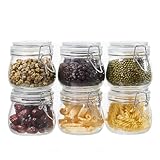
- 【Premium Glass Jars with Airtight Lids】These airtight glass jars feature a wire clip fastening system with clear preserving seals, locking in freshness and flavor. Ideal for dry goods and long-term food storage.
- 【Perfect Size: 17 oz Capacity – Set of 6】Each jar holds 17oz, just right for storing beans, flour, sugar, cereal, pasta, or snacks. Comes as a 6 pack to organize your kitchen efficiently.
- 【Durable & Safe Food Storage Containers】Made from thick, lead-free, glass food storage containers that are BPA-free, odor-resistant, and safe for everyday use.
- 【Multi-Purpose Glass Canisters for Kitchen & Pantry】Great for kitchen canning and pickling jars – also suitable for DIY jam, honey, kimchi, spices, and more. A functional and elegant solution for pantry storage jars.
- 【Stylish & Practical Storage Jars】Sleek square design saves space and looks beautiful on shelves. These glass storage jars are easy to stack and clean, combining utility with minimalist decor.
Water quality and temperature
Tap water can add off-flavors. Filtered water is your friend. For cold brew, room temperature water is standard. No need to get fancy here.
Grind size and coffee freshness
This is crucial for cold brew. You want a coarse, chunky grind, like breadcrumbs. Too fine, and you’ll get sludge. Freshly ground beans are always best. Stale coffee just won’t cut it.
Coffee-to-water ratio
This is where you control strength. A good starting point for concentrate is 1 part coffee to 4 parts water (by weight or volume). Adjust from there.
Cleanliness/descale status
Seriously, nobody likes bitter coffee from a dirty brewer. Make sure your gear is clean. If you have a machine that requires descaling, do it. It makes a difference.
Step-by-step (brew workflow)
1. Gather your gear. You’ll need your brewer, a coarse grind of coffee, filtered water, and a timer.
- Good looks like: Everything is clean and ready to go.
- Mistake to avoid: Using stale or dirty equipment. Clean it first!
2. Measure your coffee. Aim for a 1:4 ratio of coffee to water for a concentrate. For example, 8 oz of coffee to 32 oz of water.
- Good looks like: Accurate measurement for consistent results.
- Mistake to avoid: Guessing. This leads to weak or overly strong brew.
3. Grind your beans. Use a coarse grind. Think sea salt or coarse breadcrumbs.
- Good looks like: Uniform, chunky particles.
- Mistake to avoid: Grinding too fine. This will make your coffee muddy and hard to filter.
4. Add coffee to the brewer. Put your coarsely ground coffee into your cold brew maker, French press, or jar.
- Good looks like: All the coffee is in the container.
- Mistake to avoid: Leaving coffee grounds stuck to the sides. They won’t steep properly.
5. Add water. Pour in your filtered water, ensuring all the grounds are saturated.
- Good looks like: No dry pockets of coffee.
- Mistake to avoid: Pouring too fast and creating a vortex that doesn’t wet all the grounds. Pour slowly in stages.
6. Stir gently. Give it a gentle stir to make sure all the grounds are wet.
- Good looks like: A consistent slurry of coffee and water.
- Mistake to avoid: Over-stirring. This can agitate fine particles and lead to bitterness.
7. Steep. Cover the brewer and let it steep at room temperature for 12 to 24 hours. Longer steeps yield stronger flavors.
- Good looks like: The coffee is steeping undisturbed.
- Mistake to avoid: Refrigerating during the steep. Cold brew is meant to steep at room temp for optimal extraction.
8. Filter the coffee. This is key. Use your brewer’s filter, or a fine mesh sieve lined with cheesecloth or a coffee filter.
- Good looks like: Clear liquid with minimal sediment.
- Mistake to avoid: Rushing the filtering. Let gravity do its work. Pressing too hard can push fines through.
9. Dilute to taste. Your filtered liquid is concentrate. Mix it with water, milk, or ice to your preferred strength. A 1:1 ratio with water or milk is a good starting point.
- Good looks like: A balanced, refreshing drink.
- Mistake to avoid: Drinking the concentrate straight. It’s too strong and will likely taste bitter.
10. Serve and enjoy. Pour over ice, add your favorite additions, and savor your homemade cold coffee.
- Good looks like: A delicious, cold beverage.
- Mistake to avoid: Not chilling it enough. Cold coffee needs to be cold.
Common mistakes (and what happens if you ignore them)
| Mistake | What it causes | Fix |
|---|---|---|
| Using a fine grind | Muddy coffee, bitter taste, hard to filter | Use a coarse, chunky grind (like sea salt). |
| Not steeping long enough | Weak, watery coffee with underdeveloped flavor | Steep for at least 12 hours, up to 24 hours for stronger flavor. |
| Steeping for too long | Over-extracted, bitter, and harsh flavor | Stick to the 12-24 hour window. Taste test around 18 hours. |
| Using tap water | Off-flavors, metallic notes, less pure taste | Use filtered or bottled water for a cleaner, brighter coffee flavor. |
| Not filtering thoroughly | Gritty texture, sediment in your cup | Filter multiple times if needed, use a fine mesh sieve or coffee filter. |
| Drinking concentrate straight | Intense bitterness, overwhelming flavor | Dilute with water, milk, or ice to your preferred strength. |
| Using stale coffee beans | Flat, dull, and lifeless coffee | Use fresh beans and grind them just before brewing for optimal flavor. |
| Over-agitating during steep | Increased bitterness and sediment | Stir gently only once at the beginning to saturate grounds. |
| Not cleaning equipment | Rancid oils, stale coffee taste | Wash your brewer thoroughly after each use. |
Decision rules (simple if/then)
- If your cold brew tastes too weak, then increase the coffee-to-water ratio in your next batch because more coffee means a stronger concentrate.
- If your cold brew tastes too bitter, then try a coarser grind or a shorter steep time because over-extraction causes bitterness.
- If your cold brew has a muddy texture, then filter it again using a finer filter because fine particles are escaping.
- If you’re short on time, then opt for a shorter steep (12-15 hours) because it will still be drinkable, just less intense.
- If you prefer a brighter, more acidic cold coffee, then consider a shorter steep time and a slightly finer grind (but still coarse!) because this can highlight those notes.
- If you’re using a French press, then be extra careful when plunging to avoid pushing fine grounds through the filter because French press filters aren’t always the finest.
- If you want a smoother, less acidic cold coffee, then steep for the full 20-24 hours because longer steeps extract more solubles, mellowing acidity.
- If your cold brew tastes sour, then check your water quality and ensure you’re using fresh beans because old or bad water can introduce sourness.
- If you’re making cold brew for the first time, then start with a 1:4 ratio and 18-hour steep because this is a solid baseline for most beans.
- If you notice a metallic taste, then clean your brewing equipment thoroughly because residual oils can go rancid and impart metallic notes.
FAQ
What’s the best coffee bean for cold brew?
Honestly, almost any bean can work. Medium to dark roasts often shine, offering chocolatey or nutty notes. But don’t be afraid to try lighter roasts to see how they do!
How long does cold brew concentrate last?
Stored in an airtight container in the fridge, it should be good for about 7-10 days. The flavor might start to fade a bit after that, but it’s still safe.
Can I use hot water to speed up cold brew?
No, that defeats the purpose. Cold brew relies on a long, slow extraction with cold or room temperature water to minimize acidity and bitterness. Hot water makes regular iced coffee.
My cold brew is cloudy. What did I do wrong?
You probably used too fine a grind, or your filtering wasn’t thorough enough. A coarser grind and a second filtering pass usually solves this.
How much caffeine is in cold brew?
Cold brew concentrate is typically higher in caffeine than drip coffee because of the higher coffee-to-water ratio. However, once diluted, the caffeine level per serving can vary widely.
Can I reheat cold brew?
You can, but it changes the flavor profile. Reheating can bring back some of the acidity you avoided by cold brewing. It’s best enjoyed cold.
What’s the difference between cold brew and iced coffee?
Cold brew is brewed with cold water over many hours, resulting in a smooth, low-acid concentrate. Iced coffee is typically hot-brewed coffee that’s then chilled, often leading to a more acidic taste.
Do I need a special cold brew maker?
Nope! A French press, a large jar with a lid, or even a pitcher with a fine-mesh strainer works great. The key is the coarse grind and the long steep.
What this page does NOT cover (and where to go next)
- Advanced filtration techniques beyond standard strainers. (Explore different filter types like cloth or specialized paper filters.)
- Specific single-origin bean profiles and how they interact with cold brew. (Dive into coffee bean guides.)
- Detailed explanations of extraction science and chemistry. (Look for resources on coffee extraction theory.)
- Recipes for flavored cold brews beyond simple additions. (Search for cold brew recipe blogs.)