
Make a Rich Irish Cream Coffee at Home
Quick answer
- Use a quality coffee brewer for a strong base.
- Freshly grind whole beans right before brewing.
- Measure your coffee and water accurately.
- Use good quality Irish cream liqueur.
- Warm your mug before serving.
- Don’t over-stir the cream; let it float.
- Taste and adjust sweetness or creaminess.
- Experiment with different coffee roasts.
Who this is for
- Anyone who loves a cozy, boozy coffee treat.
- Home baristas looking to elevate their morning or evening ritual.
- People hosting guests who want to impress with a simple, delicious drink.
What to check first
Brewer type and filter type
Your coffee maker is the foundation here. A drip machine, French press, or pour-over all work. Just make sure it’s clean and the filter isn’t contributing any weird flavors. Paper filters are generally neutral. Metal filters let more oils through, which can add body.
Water quality and temperature
Bad water makes bad coffee. If your tap water tastes off, use filtered water. For brewing, aim for water that’s hot but not boiling – around 195-205°F. Too hot and you’ll scorch the grounds. Too cool and you won’t extract enough flavor.
Grind size and coffee freshness
This is huge. Whole beans go stale fast once ground. Grind right before you brew. For drip machines, a medium grind is usually good. French press needs coarser. Your coffee should taste bright, not dusty.
Coffee-to-water ratio
This dictates strength. A good starting point is about 1:15 or 1:16 (coffee to water by weight). So, 20 grams of coffee to 300 grams (or ml) of water. Too weak? Use more coffee. Too strong? Use less.
Cleanliness/descale status
Old coffee oils and mineral buildup are the enemy of good flavor. Clean your brewer regularly. If you’ve got hard water, descale it every few months. You’ll taste the difference, trust me.
Step-by-step (brew workflow)
1. Gather your gear.
- What to do: Get your coffee maker, fresh coffee beans, grinder, filter (if needed), water, and a mug.
- What “good” looks like: Everything is clean and ready to go. No dusty old grounds hanging around.
- Common mistake: Grabbing stale, pre-ground coffee. Avoid by grinding just before you brew.
2. Heat your water.
- What to do: Heat fresh, filtered water to 195-205°F.
- What “good” looks like: The water is hot but not actively boiling. A kettle with a thermometer is handy.
- Common mistake: Using boiling water. This can burn the coffee grounds, leading to a bitter taste. Let it sit for about 30 seconds off the boil.
3. Grind your coffee.
- What to do: Grind your fresh coffee beans to the appropriate size for your brewer.
- What “good” looks like: Uniform grounds, smelling fragrant.
- Common mistake: Grinding too fine for a drip machine. This can lead to over-extraction and bitterness. Aim for something like coarse sand.
4. Prepare your brewer.
- What to do: Place your filter in the brewer and rinse it with hot water if it’s paper. Discard the rinse water.
- What “good” looks like: The filter is in place and any paper taste is washed away.
- Common mistake: Not rinsing paper filters. This can impart a papery taste to your coffee.
5. Add coffee grounds.
- What to do: Measure and add the correct amount of ground coffee to your brewer.
- What “good” looks like: The grounds are evenly distributed.
- Common mistake: Guessing the amount. Use a scale for consistency. A good starting ratio is 1:15 (coffee to water).
6. Bloom the coffee (pour-over/French press).
- What to do: Pour just enough hot water over the grounds to saturate them. Wait 30 seconds.
- What “good” looks like: The grounds puff up and release CO2, looking bubbly.
- Common mistake: Skipping the bloom. This allows trapped gases to escape, leading to a more even extraction.
7. Brew the coffee.
- What to do: Slowly pour the remaining hot water over the grounds in a controlled manner.
- What “good” looks like: The coffee drips steadily into your carafe or mug.
- Common mistake: Pouring too fast or all at once. This can create channels and lead to uneven extraction.
8. Warm your mug.
- What to do: While the coffee brews, fill your serving mug with hot water and let it sit for a minute.
- What “good” looks like: The mug is pleasantly warm to the touch.
- Common mistake: Pouring hot coffee into a cold mug. It cools the coffee down instantly.
While your coffee brews, fill your serving mug with hot water and let it sit for a minute. A quality coffee mug, like this insulated one, will keep your Irish cream coffee hot longer.
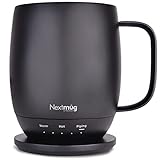
- ALWAYS THE PERFECT TEMPERATURE – The Nextmug will keep your hot coffee, tea or preferred beverage at the perfect temperature wherever you are. Simply select Warm (130° F), Hot (140° F), or Piping (150° F) and enjoy for hours.
- SMART MUG TECHNOLOGY – Long-lasting battery maintains your ideal temperature. LED lights display battery life & real-time temperature. Includes Spill-Resistant Lid & Charging Coaster.
- SUPER SIMPLE – On-board Control Button easily turns mug On/Off & sets the temperature. Takes only seconds to set the mug to your perfect temperature. No app required - no passwords, re-booting or security concerns.
- THE PERFECT GIFT - Give the gift for him and the gift for her that is certain to delight. Perfect for everyone on your list…moms, dads, grandmas, grandpas, teachers, birthdays, graduations and more!
- NEXTMUG CARES - Nextmug cares about our communities and our customers. We care by donating Nextmugs to teachers and first responders . We’re also committed to sustainable packaging by using 100% recyclable materials with all our products. Our dedicated customer service agents are based in the USA and always ready to help.
9. Pour the coffee.
- What to do: Discard the rinse water from your mug and pour the freshly brewed coffee into it.
- What “good” looks like: A steaming mug of rich, dark coffee.
- Common mistake: Letting the brewed coffee sit too long. It can become bitter.
10. Add Irish cream liqueur.
- What to do: Pour in your desired amount of Irish cream liqueur. Start with 1-2 oz.
- What “good” looks like: The liqueur swirls into the hot coffee.
- Common mistake: Adding too much too soon. You can always add more, but you can’t take it out.
11. Optional: Add sweetener.
- What to do: If you like it sweeter, add a touch of simple syrup or sugar.
- What “good” looks like: The sweetness complements the coffee and liqueur, not overpowers.
- Common mistake: Adding too much sweetener. Taste before adding more.
12. Serve and enjoy.
- What to do: Stir gently if needed, or let the cream float. Sip and savor.
- What “good” looks like: A perfectly balanced, delicious Irish cream coffee.
- Common mistake: Stirring too vigorously. It can break the cream layer and mix everything too much.
Common mistakes (and what happens if you ignore them)
| Mistake | What it causes | Fix |
|---|---|---|
| Using stale, pre-ground coffee | Flat, dull, or bitter taste | Grind fresh whole beans right before brewing. |
| Water too hot or too cold | Bitter (scorched) or weak (under-extracted) | Use water between 195-205°F. |
| Incorrect grind size | Over-extraction (bitter) or under-extraction (sour) | Match grind size to brewer type (coarse for French press, medium for drip). |
| Not cleaning the brewer | Off-flavors, rancid coffee taste | Clean your brewer regularly with soap and water. |
| Using tap water with bad taste | Unpleasant flavor in the final cup | Use filtered or bottled water. |
| Incorrect coffee-to-water ratio | Coffee too weak or too strong | Measure coffee and water by weight (e.g., 1:15 ratio). |
| Not rinsing paper filters | Papery taste | Rinse paper filters with hot water before adding grounds. |
| Pouring water too fast or unevenly | Uneven extraction, channeling, weak spots | Pour water slowly and consistently, covering all grounds. |
| Pouring hot coffee into a cold mug | Coffee cools down too quickly | Warm your mug with hot water before brewing. |
| Over-stirring the Irish cream | Cream breaks down, loses its texture | Stir gently or let it float naturally. |
Decision rules (simple if/then)
- If your coffee tastes bitter, then try a coarser grind because a finer grind can over-extract.
- If your coffee tastes sour or weak, then try a finer grind because a coarser grind can under-extract.
- If your coffee tastes like old oil, then clean your brewer thoroughly because residual oils go rancid.
- If your coffee tastes like cardboard, then check your beans for freshness or try a different roast because old beans lose flavor.
- If your Irish cream coffee is too strong, then add a bit more hot water or a splash more liqueur because dilution is key.
- If your Irish cream coffee isn’t sweet enough, then add a small amount of simple syrup or sugar because sweetness is subjective.
- If your coffee is brewing too fast, then your grind might be too coarse or your pour too fast because this leads to under-extraction.
- If your coffee is brewing too slow, then your grind might be too fine or your pour too slow because this can clog the filter.
- If the Irish cream isn’t mixing well, then ensure your coffee is hot enough because temperature helps emulsification.
- If you want a richer flavor, then try a darker roast coffee because darker roasts generally have bolder notes.
- If you’re making it for guests, then warm the mugs beforehand because it shows extra care.
FAQ
What kind of coffee should I use for an Irish cream coffee?
A medium to dark roast often works best. These roasts have bolder, richer flavors that stand up well to the sweetness and creaminess of the liqueur. Avoid very light roasts unless you prefer a brighter, more acidic coffee base.
How much Irish cream liqueur should I add?
Start with 1 to 2 ounces per mug. It’s easy to add more if you want a stronger flavor, but you can’t take it out once it’s in. Taste as you go.
Can I use a pre-made Irish cream coffee creamer?
Yes, but it won’t taste the same as using actual Irish cream liqueur. Pre-made creamers are often just flavored dairy or non-dairy products. For the authentic taste, use a liqueur like Baileys.
What’s the best way to sweeten it?
Simple syrup is ideal because it dissolves instantly in hot or cold liquids. You can also use granulated sugar, but stir well. A tiny bit of brown sugar can add a nice caramel note.
Do I need to add whipped cream?
That’s totally up to you! It’s a classic addition and makes the drink feel extra decadent. Just make sure your coffee isn’t too hot before adding cold whipped cream.
Can I make this iced?
Absolutely! Brew your coffee strong, let it cool, then pour over ice. Add your Irish cream liqueur and sweetener. You might want to use a bit less ice if your coffee is already chilled.
What if I don’t have a fancy coffee maker?
No worries. A simple drip coffee maker, a French press, or even a moka pot can make a great base. The key is fresh coffee, good water, and the right ratios.
How do I avoid a watery or separated cream layer?
Ensure your coffee is hot enough when you add the liqueur. Gently stir, or even better, let the cream float on top for a nice visual and textural contrast. Over-stirring can sometimes break the emulsion.
What this page does NOT cover (and where to go next)
- Specific brand recommendations for coffee or liqueur. (Next: Explore different coffee roasters and liqueur brands to find your favorites.)
- Detailed explanations of advanced brewing techniques like siphon or Aeropress. (Next: Dive into specific brewer guides for those methods.)
- Creating homemade Irish cream liqueur. (Next: Look for recipes for DIY liqueurs if you’re feeling ambitious.)
- Nutritional information or calorie counts. (Next: Consult a health resource if this is a concern.)
- Variations with other spirits or flavorings. (Next: Experiment with adding a shot of whiskey or a dash of cinnamon.)